
March 17, 2026

Free Shipping On Orders Above $75


A gift from Allah after a whole month of devotion, prayers, and fasting—Eid arrives as a beautiful reward for all the sacrifice and effort during Ramadan. And it’s not only natural to want to celebrate it fully, Islam also encourages us to enjoy the day and share our joy with others. But that’s where Muslims face one of the most difficult challenges of all—how to celebrate Eid joyfully without losing the spiritual momentum we worked so hard to build in Ramadan?
Eid should never be a quick transition back to the old routine. Instead, with the right intention and a little extra effort, this festive day itself can help us carry our spiritual momentum beyond Ramadan. Knowing how to celebrate Eid without compromising acts of ibadah and still having fun isn’t complicated. In this blog, we share simple steps you can take to celebrate fully while preserving your spiritual progress from Ramadan.
Ramadan isn’t meant to be a season—it’s meant to give us direction for the rest of the year. Therefore preserving spiritual momentum beyond Ramadan is crucial to remain consistent in your journey of faith. During Ramadan, your routine likely included regular recitation of the Qur'an, consistent salah, and increased dhikr. These habits, combined with minimal distraction, naturally make our hearts feel connected to Allah and find peace in worship.
Consistency doesn’t mean you continue doing everything you did in Ramadan. The Prophet (PBUH) said:
“The most beloved deed to Allah is the most regular and constant even if it were little”
(Sahih al-Bukhari 6464).
Instead of stopping everything or trying to keep up the entire Ramadan routine, just think of a few small actions that you can realistically continue for the rest of the year. Make Eid a transition from heightened worship to sustainable worship. Such a mindset is the first step towards maintaining your spiritual momentum.
If you are wondering how to celebrate Eid in a balanced way, begin with intention (niyyah). Set the intention to remember God even during the celebration and festivities. Prioritize acts of ibadah, especially the obligatory ones.
Allah says:
“… and proclaim the greatness of Allah for guiding you, and perhaps you will be grateful” (Surah Al-Baqarah 2:185).
Eid is, at its core, a celebration of guidance, not just food and festivities. Grounding the morning in acts of ibadah protects your spiritual momentum for the rest of the day.

Sadly, many Muslims jump from the spiritual high of Ramadan into complete abandonment of spiritual obligations on Eid. Some even celebrate in ways that contradict the teachings of Allah. The healthy approach is to strike the correct balance between spirituality and enjoyment. We must learn how to celebrate Eid through halal fun while keeping small acts of ibadah alive throughout the day.
Simple ways to celebrate Eid without compromising your spiritual commitment include:
These simple habits help maintain spiritual momentum while bringing an element of faith to your fun activities. We must understand that joy is not restricted in Islam. It just needs to be balanced with spiritual acts for self-discipline.
A huge mistake after Ramadan that eventually leads to spiritual burnout is to try to maintain the same heavy routine of worship. Ramadan is a special time for increased voluntary deeds, all of which cannot be realistically sustained throughout the year. Instead, focus on one thing at a time and strive for consistency in that. Some acts of ibadah that are easily sustainable after Ramadan include:
You should never aim for frequency or intensity in worship after Ramadan. Instead, your goal should be continuity. The Prophet (PBUH) emphasized moderation in worship, discouraging his companions from overburdening themselves. He said:
“Religion is very easy, and whoever overburdens himself in his religion will not be able to continue in that way. So you should not be extremists, but try to be near to perfection and receive the good tidings that you will be rewarded” (Sahih al-Bukhari 39).
This is the key principle we need to protect your Ramadan spirit on Eid and beyond.
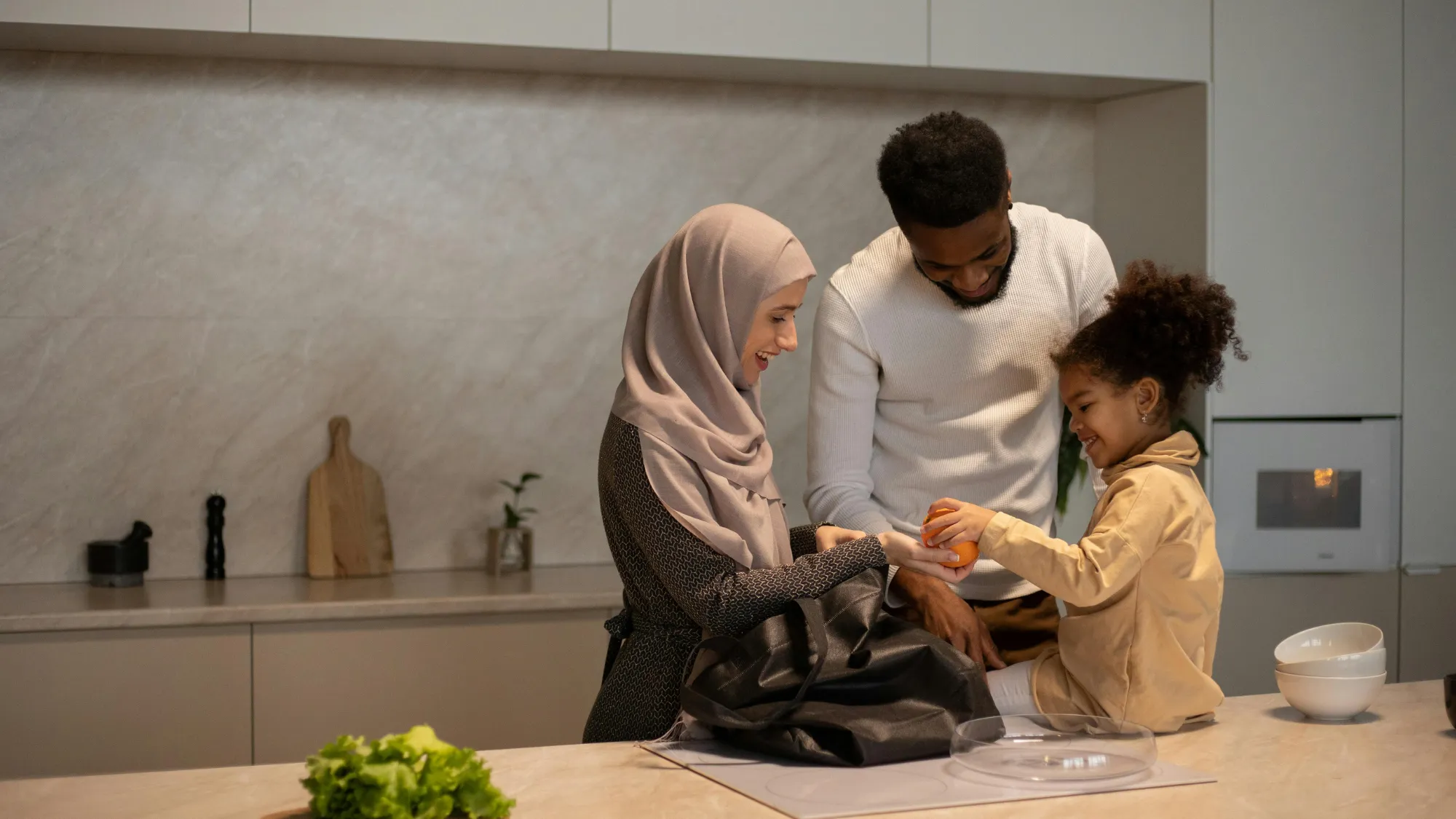
Enjoying Eid without sacrificing your spiritual momentum from Ramadan doesn’t have to be boring. Joy and spirituality can beautifully coexist. The rule is to never compromise on Islamic values when celebrating on this blessed day. And understanding this is key when learning how to celebrate Eid mindfully. Come up with your unique faith-filled family traditions for Eid that nurture both fun and faith:
Such traditions reinforce that celebration in Islam is both purposeful and uplifting. Intentionally designing your family’s Eid traditions makes it much easier to preserve your spiritual momentum while enjoying the day to the fullest.
When you transition from the heightened worship of Ramadan to suddenly taking it easy on Eid day, it’s natural to feel your spiritual momentum drop. This should not, however, become permanent. We should keep the self-discipline we built during Ramadan and continue striving to get back on track during Eid celebrations. This starts when we stop associating acts of ibadah with Ramadan alone.
For maintaining spiritual momentum, there are some warning signs to watch out for. Losing spiritual momentum may look like:
To develop consistency in spiritual habits, plan your post-Eid routine before Eid arrives.
Ask yourself before Eid day:
Then plan on engaging in that one small voluntary act of ibadah even on Eid day. This can be an effective way of maintaining spiritual momentum amidst all the celebrations and treats.
Part of learning how to celebrate Eid properly is accepting that Islam encourages joy. The Prophet (PBUH) allowed permissible celebration on Eid and recognized it as a day of happiness for the believers. Rest, family time, and good food are all part of the blessing. However, mindful believers avoid turning Eid into a time of spiritual loss by:
The key is to practise joyful gratitude. Enjoy the desserts. Visit loved ones. Dress beautifully. But keep your heart softly connected to Allah throughout the day through small, consistent acts of ibadah.
Ramadan is a time of transformation. The spiritual progress achieved during this blessed month should not be left unguarded on Eid day. The Eid-specific Sunnahs and prayers are meant to keep our hearts connected to Allah and preserve our spiritual momentum beyond Ramadan. Maintaining consistency even in a few acts of ibadah can keep us grounded in the Ramadan spirit we work so hard to nurture.
The real success of Ramadan is not measured by how much you worship during Ramadan, but rather by how you carry that progress into the rest of the year. Making the effort to sustain our spiritual momentum after Ramadan is what makes a strong believer. So celebrate fully. But don’t forget what you’re celebrating—the closeness to Allah you earned during Ramadan.
A: You can celebrate Eid without losing your Ramadan spirit simply by starting the Eid day with intention. Do not compromise on your obligations just because of the celebrations. Continue to engage in dhikr whenever you find time. Make the niyyah to continue at least some of the voluntary deeds like charity or Sunnah prayers even on Eid. You don't have to do everything you did in Ramadan. But pick one or two small things that you can manage on Eid day.
A: Yes, this is a common experience, and it's completely natural. Ramadan is a time of exceptional barakah. We cannot hope to continue all of the acts of ibadah we did in Ramadan throughout the year. But we can carry some small habits and strive to remain consistent in them. This can include morning and evening adhkar, two rak'ahs of tahajjud, one page of the Qur'an with translation and reflection. Planning a post-Eid routine before Ramadan ends is the key to remaining consistent after Ramadan.
A: In Islam, Eid is a time of joy and celebration. It is a gift from Allah, and Muslims are not allowed to fast on Eid so they can fully participate in the celebration and festivities. But that doesn't mean we neglect our obligations on this day. Salah should still be performed without delay and celebrations should not involve anything impermissible or displeasing to Allah.
A: Sustainable habits include two units of voluntary prayer daily, morning and evening adhkar, reading a small portion of the Qur'an each day, and regular istighfar. The Prophet (PBUH) emphasized in a hadith in Sahih al-Bukhari that the most beloved deeds to Allah are the ones done consistently, even if small.
A: Families can begin gatherings with a short reminder or dua, encourage children to share what they learned during Ramadan, play halal games with an Islamic trivia element, and exchange meaningful gifts like Islamic books. All of this helps reinforce that celebration in Islam is purposeful and makes it easier to sustain spiritual momentum as a family.

.svg)

.webp)

$
12.99
12.99
12.99
£
10.49
12.99
12.99
12.99
12.99
12.99
Best Seller
July 27, 2026
Best Seller
Family
Values

$
13.99
13.99
13.99
£
11.49
13.99
13.99
13.99
13.99
13.99
Best Seller
July 27, 2026
Adventure
Values

$
13.99
13.99
13.99
£
11.49
13.99
13.99
13.99
13.99
13.99
Best Seller
July 27, 2026
Adventure
Values


.webp)
.webp)
.webp)
Be the first to know about our latest books, coupons, and giveaways!


.svg)


.webp)


Sign up today and get 10% off your first order!
Use this discount code at checkout: TENOFF