
January 27, 2026

Free Shipping On Orders Above $75


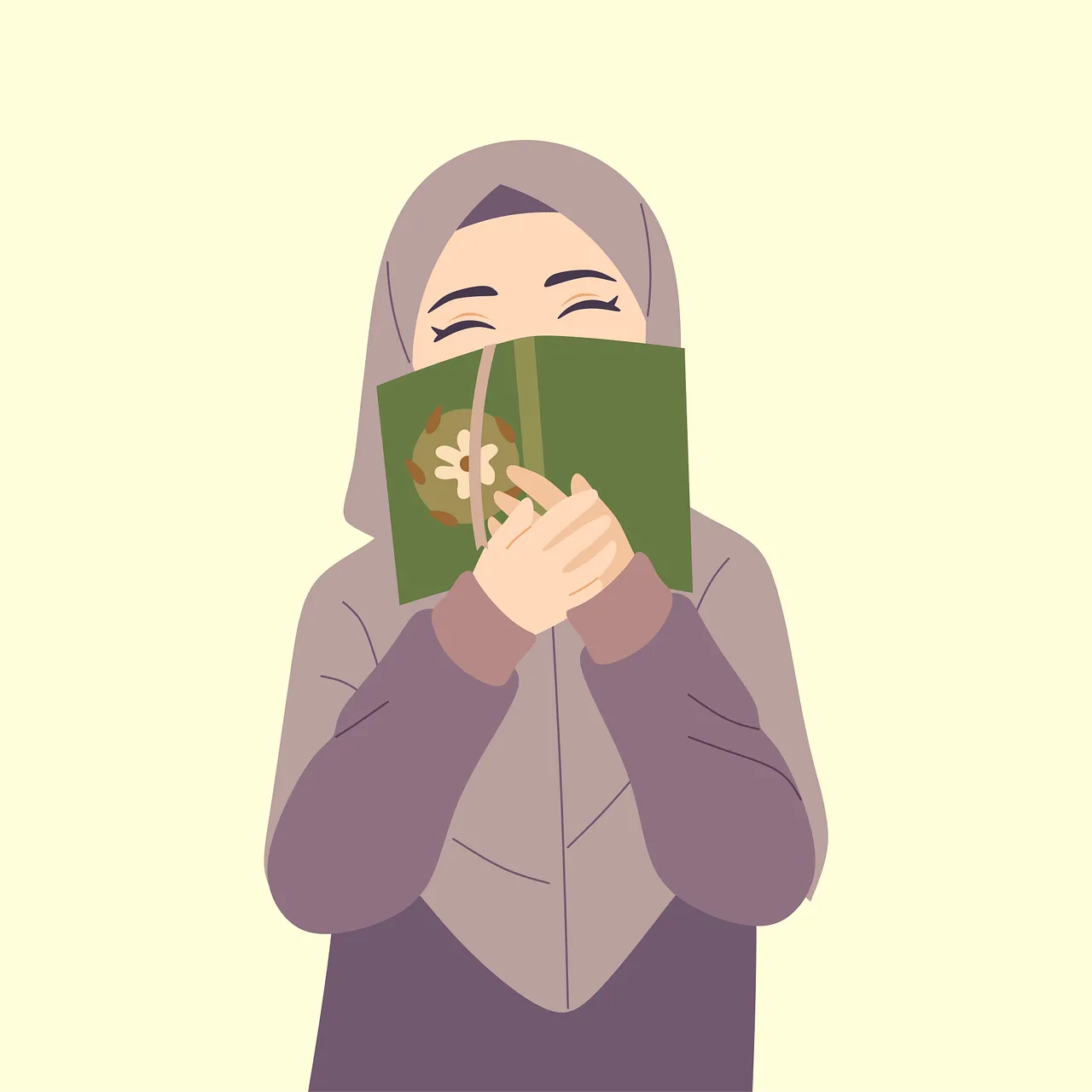


In a world which often promotes the delusion of revealing clothing as a sign of power, confidence, and freedom; choosing modest dressing is not an easy choice. Rather, it is an act of courage—rooted in true power, self-esteem, and honour. Hijab in Islam refers to the Islamic principles of modesty in dress and behaviour, specifically expressed through a Muslim woman's choice to cover her hair and body. It is an act of faith that protects a Muslim woman’s dignity and strengthens her direct relationship with Allah.
For a practicing Muslimah, her clothing is not merely a matter of appearance. It is a part of her identity—and choosing the Muslim attire for women is a powerful way of connecting with and pleasing Allah. This is because the Muslim woman’s garment stands the test of time as a symbol of faith, self-respect, and freedom of choice in a society that constantly defines her worth of by appearance rather than intellect.
As opposed to the common misconception that hijab oppresses or limits women’s freedom, modest dressing in Islam actually empowers women to make choices rooted in faith and pull back against the societal pressures forcing them to blend in. As such, for a practicing Muslimah, hijab becomes a source of inner peace.
A Muslim woman’s garment refers to clothing that fulfills the Islamic principles of modesty. It is not restricted to a specific style, colour, or culture. Instead, it allows for any kind of clothing that provides proper coverage without compromising comfort and practicality. Across the world, Muslim women dress in different ways based on climate, culture, and personal preference.
The Islamic principles of modesty in clothing are simple. Allah says in the Qur’an:
“And tell the believing women to lower their gaze and guard their chastity, and not to reveal their adornments except what normally appears. Let them draw their veils over their chests, and not reveal their ˹hidden˺ adornments...” (Surah An-Nur: 31).
The Muslim attire for women should be loose and cover the body appropriately, while avoiding excessive display of beauty. When such clothing is chosen with the intention of obeying and pleasing Allah, the simple choice of what to wear daily itself becomes an act of worship.
In today’s world, the interaction between different cultures and the growing demands of modern life have evolved the Muslim attire for women in a variety of ways. Modern Muslim women dress in a multitude of styles that reflect both modesty and modern life. Whether it’s jilbabs, flowing abayas, modest dresses for workouts at the gym, easy to carry styles for travel, or layered outfits for extra modesty—there’s something every Muslim woman can find suitable for her taste.
Different hijab styles cater to different occasions and preferences—for work, parenting, travel, and social life. This allows for Muslim women to participate in modern society without compromising their values. For a practicing Muslimah, dressing modestly feels freeing because it removes pressure to conform to unrealistic beauty standards.

One of the most misunderstood aspects of the Muslim woman’s garment is the assumption that it limits women. In reality, many non-Muslim women also feel that wearing a Muslim woman’s garment gives them freedom from constant judgement based on appearance.
When the people around you can no longer see your beauty, it allows your character and intellect to truly shine. The Muslim attire for women not only earns them respect from the people around them, but also shifts their own focus toward more meaningful aspirations. When a practicing Muslimah chooses modest dressing for the sake of Allah, she no longer cares about pleasing the world. This allows her to focus on her inner beauty—strengthening her spirituality and empowering her in a way conforming to societal standards never does.
Hijab is more than just a choice of clothing. It is an act of ibadah (worship), which means it is a source of great rewards from Allah. Hijab also represents humility, obedience to Allah, and detachment from the materialistic world. For a practicing Muslimah, hijab is both an internal and external practice. It is a choice that influences her actions and intentions. It constantly reminds her of Allah and encourages her to remain conscious of Him in every action. It motivates her to improve her behaviour and speech. While wearing the Muslim woman’s attire can come with challenges, many women describe it as spiritually grounding and empowering. For many, the choice of wearing hijab doesn’t happen overnight. Especially in the modern world with its never-ending beauty trends and misconceptions about Islam, a Muslim woman’s choice to wear the hijab involves striving, sincerity, and growth. Like any other obligation, hijab is not about perfection.
A practicing Muslimah never does anything in life without purpose and meaning—and this includes her choice of dressing. Muslim women dress with intention. Each Muslim woman’s garment symbolizes her submission to and her love for her Creator. It also reflects how much she values her dignity.
Allah says in the Qur’an:
“O children of Adam! We have provided for you clothing to cover your nakedness and as an adornment. However, the best clothing is righteousness. This is one of Allah’s bounties, so perhaps you will be mindful” (Surah Al-A'raf: 26).
A Muslim woman’s garment reassures her that strength comes from God and confidence doesn’t need people’s approval. A practicing Muslimah takes pride in being able to represent Allah’s religion on earth. Her modest dressing also strengthens her sense of belonging to her religious community.
Being a practicing Muslimah in today’s world is not without challenges, especially in the West. With the rise of Islamophobia and the consequent misconceptions and myths about Islam, a Muslim woman’s garment is often misrepresented as a symbol of oppression and control. As such, women wearing the hijab are sometimes judged and bullied for their choice of modest dressing. Yet many continue to choose the Muslim attire for women because of their devotion to God—and as an act of pushing back against biased judgement.
Visiting public spaces, going to school or work, and enjoying social gatherings requires courage, patience, and confidence if you’re wearing the Muslim woman’s garment. But with support from righteous company, clearing misconceptions through good conduct, and educating people about the true teachings of Islam, Muslim women can feel a sense of peace and purpose.
Choosing a Muslim woman’s garment means choosing to obey Allah. Although modest dressing is a personal journey, it is ultimately a command from Allah. Therefore, a practicing Muslimah should try her best to obey it.
Practical tips to start your personal hijab journey include:
Confidence grows when modesty is chosen rather than forced. And the only way we can make that choice with full conviction is through understanding, not pressure.
The best way to teach your daughter to love the hijab is to show confidence in your own choice of wearing it. Choosing the Muslim woman’s garment in today’s world when there is constant pressure to reveal more is a challenge indeed. And just like us, our children will feel the pressure too as they grow up. So become the hero they look up to, the one who pushes back against a world that tries to force them to blend in rather than making their own choices.
Replace the tales of Disney Princesses with the stories of female companions who only heard Allah's command once and submitted to their Rabb. Read together with your daughter stories of confident Muslim women who stood their ground against the world, carrying their hijab as a part of their identity everywhere they went. Explain to her in simple terms why you choose the Muslim attire for women instead of telling her to wear it.
Freedom in a world that constantly pressurizes women to reveal more if they wish to fit in. Hijab is a Muslim woman’s weapon to fight back against these pressures—and to reclaim her choice to define her worth through her own choices.
For a practicing Muslimah who understands the importance of hijab, clothing is more than just a fabric. The Muslim woman’s garment is her way of reflecting her values, protecting her self-worth, preserving her dignity, and living true freedom that comes from aligning her choices with Allah’s commands.
A: Muslim women wear hijab as an act of worship and obedience to Allah, based on Quranic guidance in Surah An-Nur (24:31) and Surah Al-Ahzab (33:59). It is also a way of protecting their dignity and honour, placing their true value in their actions and intellect instead of their appearance, and strengthening their relationship with Allah.
A: According to the Qur'an, hijab (a Muslim woman's garment covering the hair and body modestly) is an obligation for adult Muslim women. The Quran and Sunnah both address this clearly. However, the decision to wear hijab is personal, just like the choice to obey any other command like salah or fasting.
A: Hijab typically refers to the headscarf covering the hair and neck. Niqab is a face veil worn in addition to hijab, covering everything except the eyes. Abaya is a full-length outer garment worn over clothing. While hijab is obligatory according to most scholars, niqab is considered either recommended or obligatory depending on the scholarly opinion followed.
A: The best way to teach them is to become a role model for them. Be confident in your choice to wear the hijab and your daughter will see it as a symbol of strength. Sharing stories of confident Muslim women and making du'a together for steadfastness can also help children develop an internal love for modesty rather than considering it a burden.

.svg)
.webp)

$
12.99
12.99
12.99
£
10.49
12.99
12.99
12.99
12.99
12.99
Best Seller
October 6, 2026
Best Seller
Family
Values
$
13.99
13.99
13.99
£
11.49
13.99
13.99
13.99
13.99
13.99
Best Seller
October 6, 2026
Adventure
Values
$
13.99
13.99
13.99
£
11.49
13.99
13.99
13.99
13.99
13.99
Best Seller
October 6, 2026
Adventure
Values


.webp)
.webp)
.webp)
Be the first to know about our latest books, coupons, and giveaways!


.svg)


.webp)


Sign up today and get 10% off your first order!
Use this discount code at checkout: TENOFF