
January 13, 2026

Free Shipping On Orders Above $75





Imagine your child suddenly trips and drops their ice cream. But instead of crying over the loss, they say "Alhamdulillah for everything. At least I did not get hurt." Wouldn't that be a huge sign of success if we wish to teach them about gratitude in Islam? That's the level we're aiming for. And it comes through continuous effort.
Gratitude in Islam, also called shukr, is the conscious acknowledgement of Allah's blessings through our words and actions. It means thanking Allah for His favours with our tongue (saying Alhamdulillah), expressing thanks through acts of worship, using the blessings He has given us in ways that please Him, and refraining from using His gifts in ways that displease Him.
Teaching children to say Alhamdulillah for everything is one thing. But raising children who willingly practice gratitude in Islam and feel it in their hearts is a completely different experience. Gratitude in Islam is deeply important because it helps us remember Allah throughout our daily lives. Muslims pray Salah five times a day, and one essential part of Salah is Surat al-Fatiha, which begins with Alhamdulillah. The second ayah says:
"All praise is due to Allah, the Lord of all the worlds" (Surah Al-Fatiha: 2).
Saying Alhamdulillah for everything helps children learn to be thankful. Gratitude in Islam is very important because it reminds us that every blessing comes from Allah. When children say Alhamdulillah, they start to notice the good in their lives. This simple habit shapes their hearts and helps them grow into kind and thankful Muslims.
Gratitude in Islam is more than simply saying words. It means feeling thankful in the heart and showing it through our actions. Children can learn that even simple things like food, family, toys, or friends are blessings from Allah and deserve appreciation.
Allah says in the Quran:
“If you are grateful, I will surely increase you (in favour); but if you deny, indeed, My punishment is severe” (Surat al-Ibrahim: 7).
This ayah teaches children that showing gratitude in Islam is important. Saying Alhamdulillah is a way to earn Allah’s pleasure and abundance.
Every day is full of little blessings. Whether it’s enjoying your favourite snack, seeing a smile, or finishing a task, saying Alhamdulillah connects you to your Creator. It reminds us that we have nothing of our own and even the tiniest of blessings is a gift from the Most Merciful. Health is one of the blessings that many take for granted. Making it a habit to say Alhamdulillah for everything helps both kids and adults remain humble and grounded in faith.
Saying Alhamdulillah for everything fills the heart with peace and warmth. It helps us see the good, even when life feels hard. Each “thank you” to Allah brings patience and hope. It makes simple moments shine and teaches us to be happy with what we have. Gratitude in Islam grows faith and lights up the soul.
The Prophet (PBUH) taught us to be thankful in every part of life. He said:
“Whoever is not thankful for small things will not be thankful for large things” (Musnad Ahmad 18449).
This shows that even the smallest blessings deserve our gratitude. Being thankful to Allah helps us remember Allah and appreciate every gift He gives.
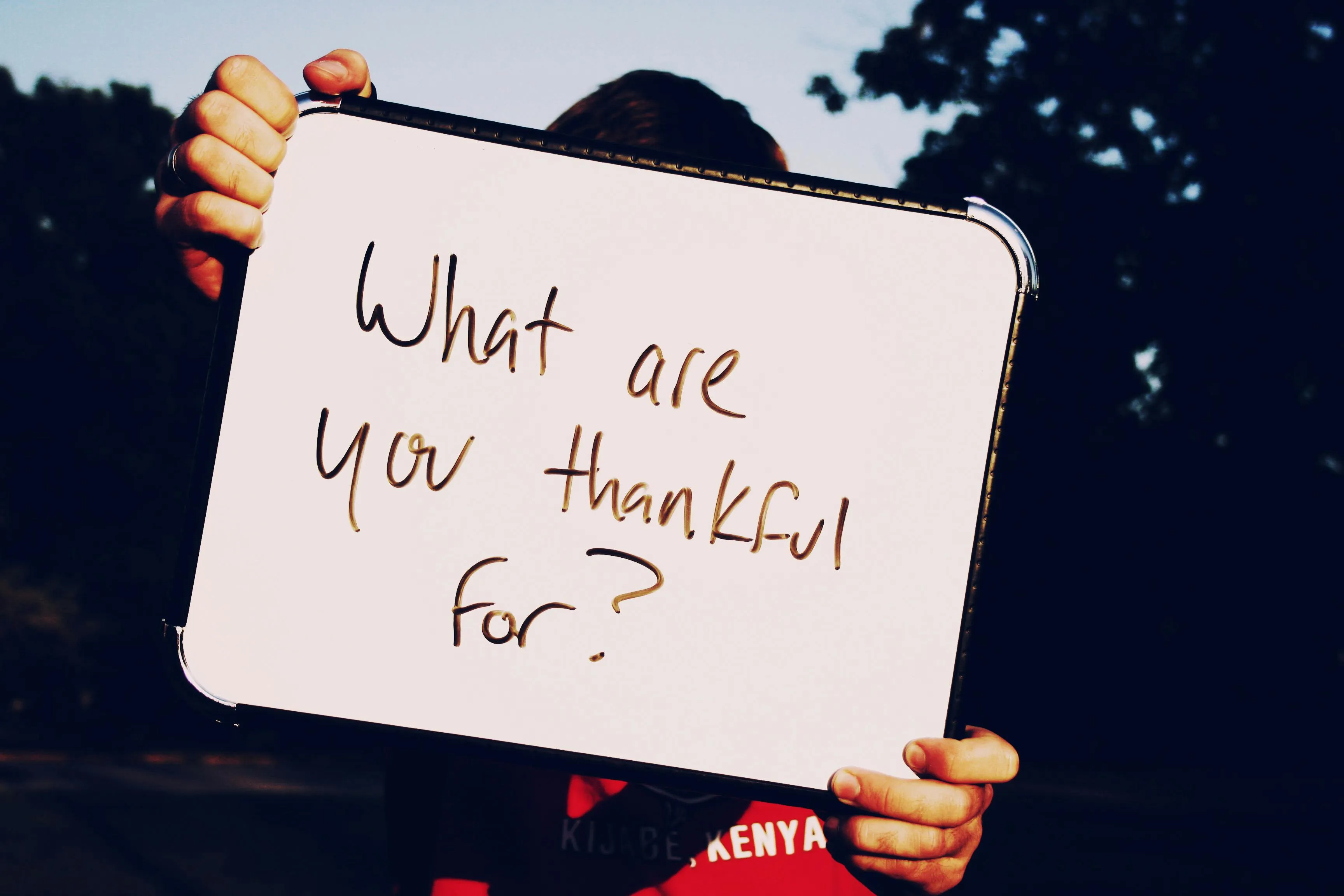
Teaching children to say Alhamdulillah in everyday moments can be easy and fun. Here are some simple ways parents can make gratitude a daily habit.
Encourage children to say Alhamdulillah for simple things. For example, finishing a meal, receiving a toy, or having clean water to drink.
When children thank Allah, remind them how important gratitude in Islam is. Celebrate their small acts of thankfulness.
Children learn best by watching. Say Alhamdulillah yourself throughout the day for big and small blessings.
Praise Allah not only for happy moments. Gratitude in Islam is also about remaining thankful during difficulties. Life is full of tests, and remembering Allah’s blessings during hard times helps build patience and resilience.
For children, this may mean saying Alhamdulillah when a toy breaks, when they face a small disappointment, or when they learn a difficult lesson. Adults can model this behaviour by showing calmness and thankfulness during everyday challenges.
Amina, a mother of two, made saying Alhamdulillah for everything a fun, daily practice for her children. One evening, after dinner, Amina asked her daughter Sara what she was thankful for.
Sara smiled and said, “Alhamdulillah for the yummy food and for the new book I got today!” Amina smiled and added, “Alhamdulillah for the warmth of our home and the health we have.” Later that evening, Sara dropped her favorite toy, and it broke, Amina gently reminded her, “It’s okay, Sara. Let’s say Alhamdulillah for the toys we do have.”
By consistently practising gratitude in both happy and challenging moments, Amina helps her children appreciate Allah’s blessings, building their gratitude habit in everyday life.
Saying Alhamdulillah for everything can uplift the heart and calm the mind. Gratitude in Islam helps us focus on the blessings: What we have rather than what we lack. It reduces stress and negative thoughts. Regularly practising thankfulness can bring peace and hope. It helps both children and adults feel emotionally stronger and more resilient in daily life.
You can make the saying Alhamdulillah part of your daily life. Say it for simple blessings. Remind yourself and your children throughout the day and celebrate when they say it too.
Show them by example, say Alhamdulillah often yourself. At the end of the day, think of a few things you are thankful for. Doing this regularly turns gratitude into a natural, happy habit.
Saying Alhamdulillah for everything helps us see the blessings in our lives. It helps us feel peace and grow closer to Allah. One simple way to strengthen this habit is gratitude journaling.
Write down a few things you are thankful for each day. This practice helps children and adults notice even small blessings, reflect on Allah’s gifts, and make gratitude a joyful part of everyday life.
A: Alhamdulillah for everything means expressing thanks to Allah in both good and bad times. Muslims believe that hardships also come as a test from God and remaining grateful at all times is a result of our complete trust in God's plan and wisdom. The Qur'an teaches us that Allah increases His blessings for those who are grateful (Surah Ibrahim 14:7).
A: Teaching children to say Alhamdulillah meaningfully starts with modelling it yourself—saying it out loud in small moments of daily life, not just in formal religious settings. When you say Alhamdulillah after a good meal, when you find a parking space, or when a hard day ends, your child learns that gratitude in Islam is a constant, living practice rather than a phrase reserved for special occasions.
A: The Qur'an addresses gratitude directly and powerfully. Allah says: "If you are grateful, I will surely increase you in favour" (Surat al-Ibrahim 14:7). Gratitude in Islam is described as a path to Allah's pleasure and Jannah, whereas lack of gratitude is considered synonymous to disbelief.
A: Gratitude in Islam can be taught to children in their early years. As children tend to learn from what they observe around them, parents can make their children habitual of saying Alhamdulillah for the small blessings by modeling the correct behaviour. When we say Alhamdulillah after every morsel of food and every sip of water, when we thank Allah out loud for the joyful family moments, and when we say express gratitude even when we are overwhelmed, our children internalize gratitude as a lifestyle rather than an occasional ritual.
A: Yes, saying Alhamdulillah in both ease and difficulty is a form of dhikr. And dhikr is a form of worship in Islam. Saying Alhamdulillah in difficult times not only means remembering Allah, but also remaining patient in the face of hardship and trusting Allah to bring ease.

.svg)
.webp)

$
12.99
12.99
12.99
£
10.49
12.99
12.99
12.99
12.99
12.99
Best Seller
October 6, 2026
Best Seller
Family
Values

$
13.99
13.99
13.99
£
11.49
13.99
13.99
13.99
13.99
13.99
Best Seller
October 6, 2026
Adventure
Values
$
13.99
13.99
13.99
£
11.49
13.99
13.99
13.99
13.99
13.99
Best Seller
October 6, 2026
Adventure
Values


.webp)
.webp)
.webp)
Be the first to know about our latest books, coupons, and giveaways!


.svg)


.webp)


Sign up today and get 10% off your first order!
Use this discount code at checkout: TENOFF