

February 4, 2026

Free Shipping On Orders Above $75




"How to balance deen and dunya?" is a question many of us ask in our daily lives. We often perceive worldly matters as distractions or sins, especially when trying to maintain our spiritual growth. Some of us even worry if we’re becoming distant from Allah because caring for our families doesn’t leave much time for voluntary ibadah. But that’s not what balancing deen and dunya is about. In Islam, learning how to balance deen and dunya does not mean dividing your time equally between ibadah and daily responsibilities. Instead, balancing deen and dunya means realizing that many of these responsibilities are part of worshipping Allah when done with the right intention.
Islam sees deen and dunya as parallel paths that we are expected to balance harmoniously. Whether you’re trying to be present for your children by having quality time together or learning how to practice self-care in Islam, all of it counts as obedience to Allah. Because you’re fulfilling the rights others and your own body have upon you. And these rights are part of what we’ll be questioned about in the akhirah.
In the blessed month of Ramadan, it becomes even more important to learn how to balance deen and dunya so we can avoid physical, mental, and spiritual burnout. Achieve this balance through self-care during Ramadan is essential for maintaining both our spiritual obligations and personal well-being. It also helps us become more intentional in how we spend our time, energy, and resources, maintaining our connection with Allah.
In Islam, both deen (religion) and dunya (worldly life) are important. Allah has commanded us to seek the best of both worlds, as highlighted in the Qur'an:
"Our Lord, give us good in this world and good in the Hereafter, and protect us from the punishment of the Fire" (Surat Al-Baqarah 2:201).
How to balance deen and dunya is a question we should ask ourselves, as Ramadan amplifies this need. We strive to worship Allah fully while managing our daily tasks, such as work, family, and personal responsibilities. Finding harmony in these two areas helps ensure we remain grounded in our faith while caring for our bodies, minds, and relationships.
Self-care in Islam is one of the most important parts when learning how to balance deen and dunya, especially during Ramadan. While we are expected to increase our acts of worship, such as reciting the Qur'an and performing extra prayers, we must also ensure that we maintain our health. This includes both mental and physical health. Prophet Muhammad (PBUH) emphasized the importance of self-care in Islam in the following words:
“Your body has a right over you, your eyes have a right over you, and your wife has a right over you” (Sahih Bukhari 5199).
Fasting can be demanding on the body, especially when combined with long work hours or family obligations. Therefore, it is essential to prioritize self-care in Islam to maintain your strength and energy throughout the month. By nurturing both body and soul, you can carry out your religious duties while remaining productive in your worldly pursuits.

How to balance deen and dunya is not just about physical health; it also affects our mental and emotional well-being. During Ramadan, you may face stress from balancing work, family, and worship. It is natural to feel overwhelmed at times but Islam offers profound guidance to help us navigate these challenges.
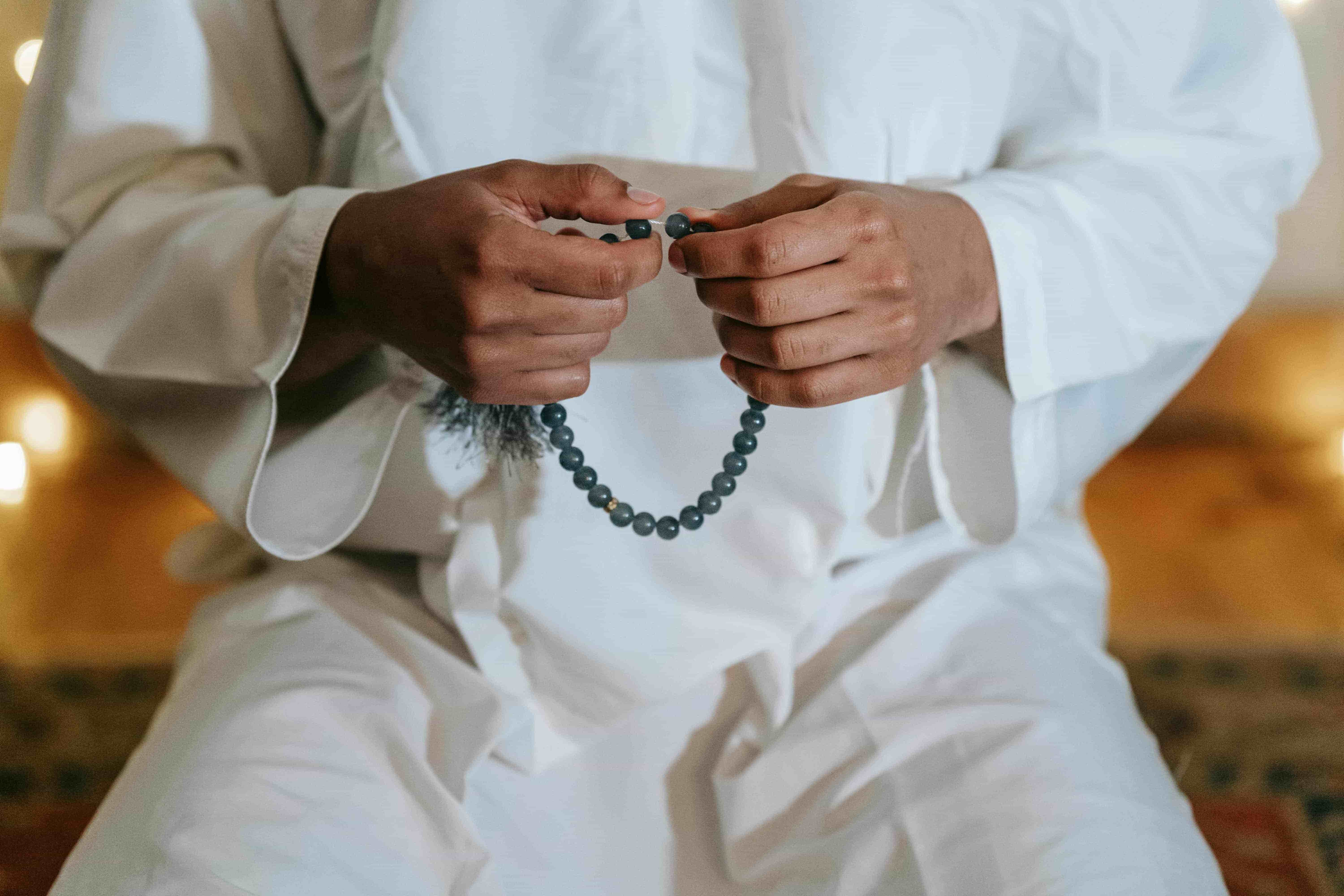
When feelings of stress arise, turn to Allah in supplication, and remember the beauty of the reward that awaits in the Hereafter. Engage in acts of worship, such as dhikr (remembrance of Allah), to calm your mind. Because the Qur'an says:
“In the remembrance of Allah, the hearts find peace” (Surat Ar-Ra’d 13:28).
Taking a moment to breathe deeply, reflect on the blessings of Ramadan, and recite short duas can ease the burden of stress. Self-care in Islam through mental and emotional nourishment is just as important as physical self-care, helping us stay connected to our faith while managing life's pressures.
Work obligations do not stop during Ramadan. However, it’s important to find ways to balance professional responsibilities with your increased devotion. Practicing self-care in Islam allows you to maintain your physical and mental health while fulfilling both your spiritual and worldly duties. Here are some practical tips to manage both for busy Muslim mothers:
While you may need to adjust your work schedule during Ramadan, ensure that you prioritize prayers and spiritual activities. For example, schedule your day to ensure you can perform dhuhr and asr prayers on time, even if it means taking a brief break from chores.
If you're a working mom, use your lunch break to read the Qur'an or do dhikr. This allows you to stay connected to your spiritual goals. Additionally, practicing self-care in Islam through mindful breaks and maintaining a balanced routine will help you sustain both your faith and productivity throughout the month.
If you live with your in-laws, gently request them to take care of your children while you pray so you can improve focus during salah. If your husband works from home, take turns for ibadah so one of you can look after the kids and the other can have a peaceful time with their Creator. Let your family know that you need time for spiritual growth during Ramadan. Supporting one another is part of being Muslim and this kindness can also become an act of ibadah.
If your work schedule is particularly demanding, speak with your employer about adjusting your hours or workload during Ramadan. Many workplaces are flexible, especially during the holy month. Let them know your need to balance deen and dunya, and they may be understanding in allowing you more time for prayer or rest.
Ramadan is not only a time for spiritual growth, but also an opportunity to strengthen family bonds. However, balancing family obligations with worship can sometimes feel overwhelming. How to balance deen and dunya during Ramadan requires setting clear boundaries to ensure that time is allocated for both worship and quality family time. Nights are the most rewarding so dedicate them to ibadah. Make iftar your daily time for family bonding and fun. Finish your chores an hour before iftar and dedicate the last hour of your fast for du'a, as that is one of the times for acceptance of prayers. Knowing the best time for each responsibility helps you maximize your rewards and productivity in this blessed month.
Ramadan is the perfect time to learn how to balance deen and dunya by practicing self care in Islam. As worship occupies our nights and worldly responsibilities keep us busy in the day, it is natural to feel physically and mentally exhausted. And that's exactly where Islam teaches us to practice self care by not overwhelming ourselves. While Ramadan is a perfect opportunity to maximize rewards through increased worship, we are never asked to do more than we can handle. Even small acts done consistently throughout Ramadan with presence can outweigh strenuous worship done with an absent mind. The Prophet (PBUH) discouraged his companions from fasting all year or praying all night and encouraged them to make adequate time for rest.
How to balance deen and dunya in Ramadan is a question that requires mindfulness and intention. By following the Qur'an and sunnah, you can achieve spiritual fulfillment while nurturing your body, mind, and soul. This Ramadan, make self-care a priority, so you can worship Allah fully and thrive in both worlds.
A: Balancing deen and dunya in Islam means fulfilling your obligations to Allah and the rights of others upon you (including your own) with the intention of pleasing Allah. With this approach to handling daily responsibilities, every act of self-care or service to others becomes ibadah as it is done in obedience to Allah.
A: Yes, self-care is not only allowed but encouraged in Islam. The Prophet (PBUH) warned against harming oneself through neglect and said that our bodies also have a right over us. It was also his sunnah to strive for balance in rest and worship. So, caring for our mental and physical wellbeing are all part of fulfilling the responsibility Allah has placed on us.
A: Allah never asks us to abandon joy. In fact, He has given us special days (Eid al-Fitr and Eid al-Adha) to celebrate and feast together. Enjoying the blessings He has given us is also the first step to practicing gratitude. So any guilt for enjoying the dunya comes from a misunderstanding of the Islamic perspective on worldly blessings. As long as our blessings do not take us away from Allah or make us neglect His commands, we do not have to feel guilty for enjoying the pleasures of this world.
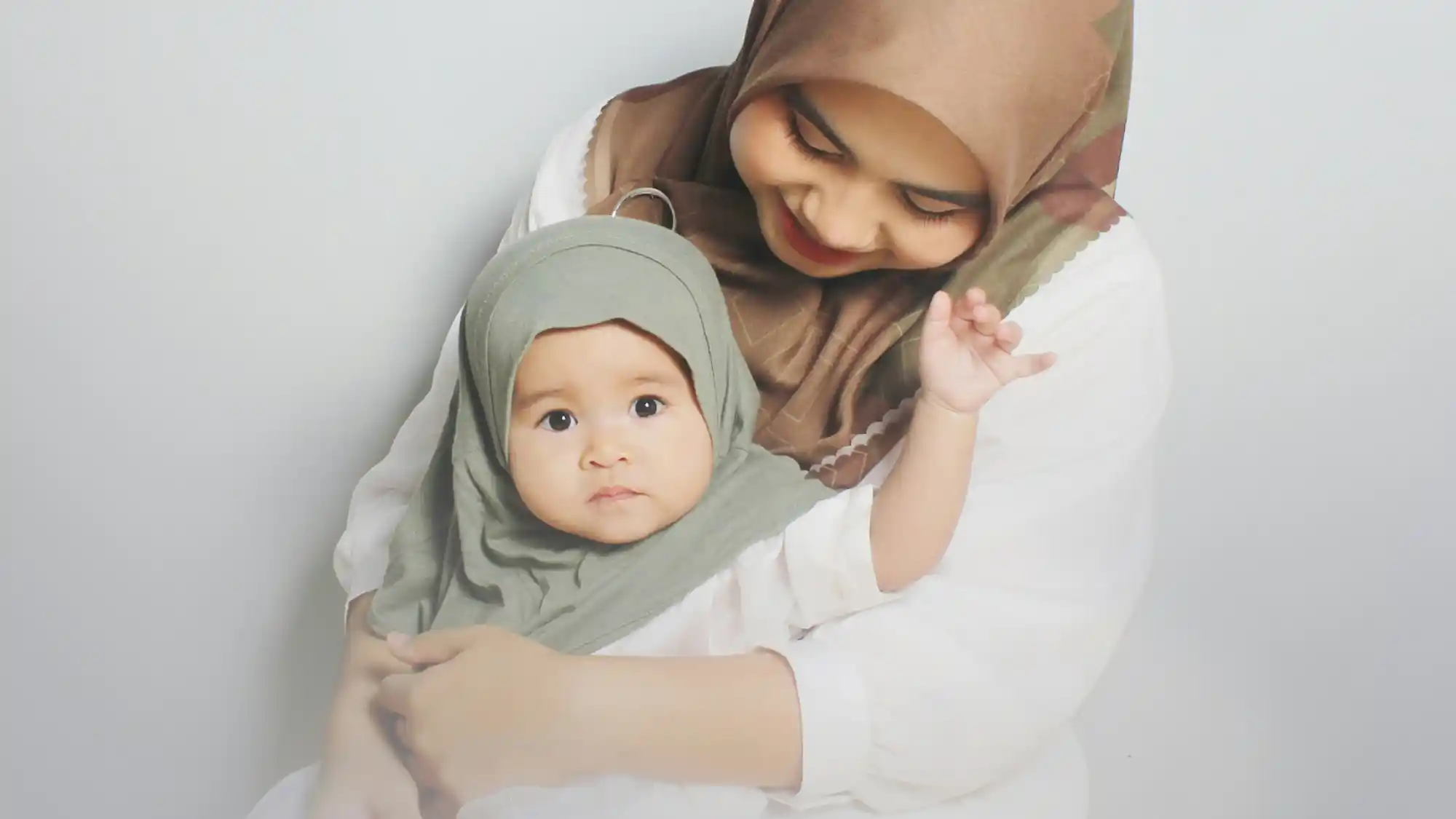
A: A Muslim mother can balance deen and dunya by realizing that her daily chores are acts of worship when done with the right intention. Just make a niyyah every day that you're doing everything for Allah. Taking care of your children all day is a duty assigned by Allah. Managing your health through self-care is a responsibility because your body is an amanah from Allah. Make small changes: Start cooking with bismillah, read your children books that inspire Islamic values, and make du'a throughout the day. Each of these acts when done with the niyyah of obeying and pleasing Allah will add to your good deeds.

.svg)

.webp)

$
12.99
12.99
12.99
£
10.49
12.99
12.99
12.99
12.99
12.99
Best Seller
July 27, 2026
Best Seller
Family
Values

$
13.99
13.99
13.99
£
11.49
13.99
13.99
13.99
13.99
13.99
Best Seller
July 27, 2026
Adventure
Values

$
13.99
13.99
13.99
£
11.49
13.99
13.99
13.99
13.99
13.99
Best Seller
July 27, 2026
Adventure
Values


.webp)
.webp)
.webp)
Be the first to know about our latest books, coupons, and giveaways!


.svg)


.webp)


Sign up today and get 10% off your first order!
Use this discount code at checkout: TENOFF