
July 22, 2025

Free Shipping On Orders Above $75


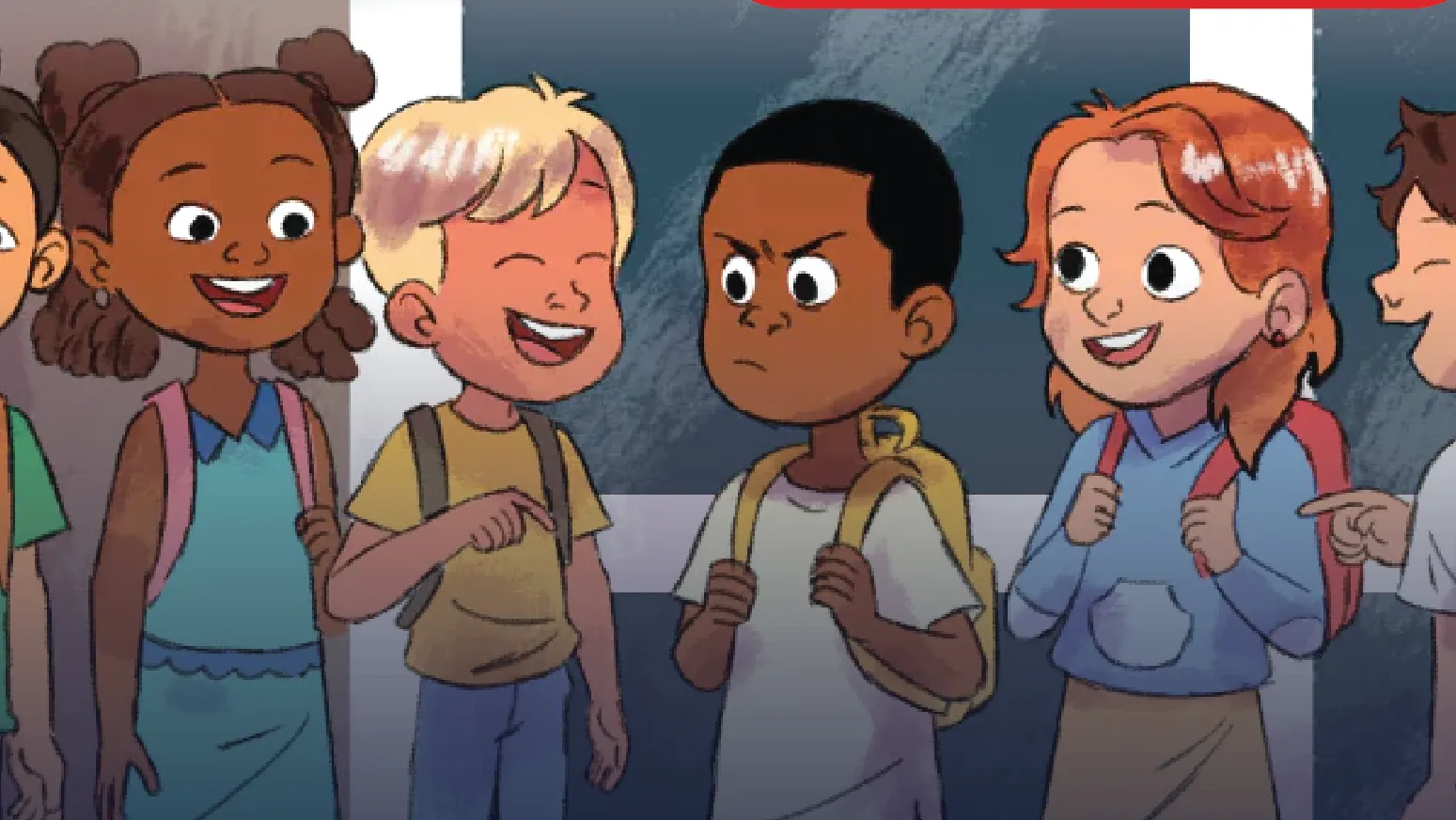
You might remind your children to be polite or to say salaam to the neighbours without much thought. But beneath those small habits is a bigger lesson: being a good neighbour is part of our deen.
In this post, we’ll explore how to teach the rights of neighbours in Islam to your child through simple stories and practical ideas.
“Jibril kept advising me about the neighbour to the point that I thought he would inherit from me.”
(Bukhari & Muslim)
Our neighbours are not just the people who live next door — they’re people Allah has placed in our lives on purpose. And like all relationships in Islam, there are rights attached: the right to feel safe, to be helped in hardship, to be greeted kindly, and to be cared for in both big and small ways.
When we teach our children about the rights of neighbours in Islam, we’re not just passing down rules — we’re nurturing their faith and following the Sunnah by helping them take notice of the needs and feelings of others.
There are three types of neighbours in Islam — and this is a beautiful way to help your child understand why they have rights upon us:
A neighbour who is Muslim and family – They have three rights: the right of kinship, of Islam, and of being your neighbour.
A neighbour who is Muslim but not related – They have two rights: Islam and neighbourliness.
A neighbour who is not Muslim – They still have the full right of being your neighbour in Islam.
Children can understand this through simple analogies:
“Some neighbours are like cousins — they’re family and Muslim. That means we care for them in lots of ways!”
“Others might be from a different background, but Islam still teaches us to smile, share, and be kind.”
Activity: Draw a simple map of your neighbourhood. Use three different colours to reflect the different types of neighbours.
You don’t need long lectures or big lessons. Here are some simple, meaningful ways to help children live the rights of neighbours in Islam:
Involve your child in choosing a treat or preparing a dish to take next door.
Pick a day each month to craft a card for one of your neighbours. Your child can write a dua, a kind note, and include a sticker.
Teach your child to notice when a neighbour’s leaves need sweeping or snow needs shovelling. A cheerful “Can I help?” goes a long way.
A wonderful place to begin is the picture book Idrees and the New Old Shoes by Hoda Elmasry.
In this story, Idrees is excited to get new shoes so he can be the fastest runner in school — until he finds out the shoes are used! What starts as a moment of disappointment becomes a powerful lesson about generosity, humility, and caring for others. It’s a story that helps children see how loving our neighbours is more important than what’s brand new.
Use this story to spark a conversation:
“What kind of relationship does Idrees have with his elderly neighbour?”
“What are two ways he helps his neighbour?”
Do Idrees' feelings about the used shoes the neighbour sent him change during the story? Why?
Children learn best by watching. You can:
Greet your neighbours warmly, even in passing
Speak kindly about them in front of your child
Make a dua for your neighbours together at bedtime
Let your kids see you helping without expecting anything back
Teaching your children the rights of neighbours in Islam isn’t about grand gestures. It's about being present, sincere, and open-hearted in those little, everyday moments.
You don’t need to explain everything in one day. Children grow into these lessons over time.
The next time you walk past a neighbour, share a story, or even mention something from the Prophet’s (PBUH) life, you’re planting a seed. And seeds, as we know, grow best with consistent light and love.

.svg)
.webp)

$
12.99
12.99
12.99
£
10.49
12.99
12.99
12.99
12.99
12.99
Best Seller
July 27, 2026
Best Seller
Family
Values
$
13.99
13.99
13.99
£
11.49
13.99
13.99
13.99
13.99
13.99
Best Seller
July 27, 2026
Adventure
Values

$
13.99
13.99
13.99
£
11.49
13.99
13.99
13.99
13.99
13.99
Best Seller
July 27, 2026
Adventure
Values


.webp)
.webp)
.webp)
Be the first to know about our latest books, coupons, and giveaways!


.svg)


.webp)

Sign up today and get 10% off your first order!
Use this discount code at checkout: TENOFF