
January 16, 2026

Free Shipping On Orders Above $75


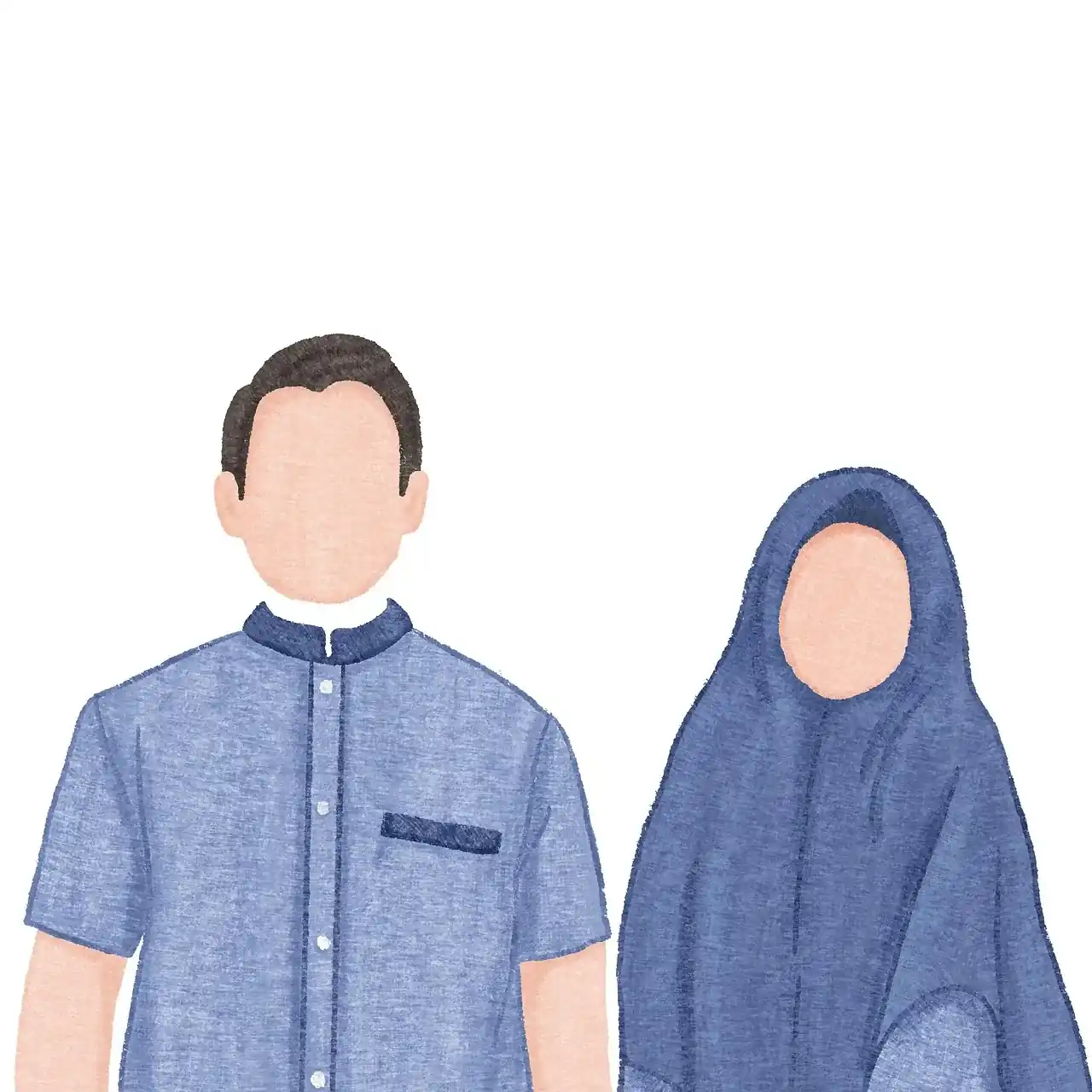


The rights of wife in Islam matter more than many people realize. She is the queen of the house. Islam teaches families to live with mercy, fairness, and love. Understanding the status of women in Islam, helps us learn that Islam never meant for women to be treated as “less,” but as precious and valued.
The rights of wife in Islam are an obligation upon the husband for which he will be answerable before Allah. When we look at the rights of women in Qur’an, we see Allah guiding us toward kindness, dignity, and a peaceful home where everyone feels safe. Allah is merciful and he loves the servants who practise kindness with families. Knowing the rights of wife in Islam is not just necessary for men. Women also need to be aware of their own rights so they can live peaceful, dignified lives.
A Muslim home isn’t meant to feel scary or heavy. It should be free from shouting and hurtful words. It should be a place where people can breathe, feel loved, and grow closer to Allah. This is exactly what fulfilling the rights of wife in Islam helps us achieve.
A “wife” in Islam is not someone’s helper. She has feelings. She is a partner. She is someone Allah has honoured. Marriage is meant to be teamwork, two people helping each other live with faith and good character. It is the right of wife in Islam to be supported, protected, and treated as part of a team.
“And among His signs is that He created for you spouses from your own kind so that you may find peace with them, and He placed between you love and mercy. Surely in that are signs for people who reflect” (Surah Ar-Rum: 21).
The rights of wife in Islam require that a husband treat his wife with kindness, fairness, and respect. This is not merely “good behaviour.” It is linked to the true status of women in Islam. Understanding the rights of wife in Islam is essential because Islam honours women not only with words but through tangible care and genuine treatment within the home. Respecting the status of women in Islam helps ensure that love, safety, and mercy guide family life. Here are some of the most basic and prominent rights of women in the Qur'an and Sunnah:
Allah says in the Qur’an: “Live with them in kindness” (Surah An-Nisa: 19).
This means a husband should be caring for the wife. He should speak respectfully. He should provide for her needs. He should protect her dignity. Most importantly, he must never harm her. And she should never feel unsafe at home. These are the values that match the rights of women in Qur'an.
The Prophet (PBUH) reminded us of what real excellence looks like. He said: “The best of you are those who are best to their wives” (Tirmidhi 3895).
Islam teaches that being strong doesn’t mean being harsh. Real strength is being patient, responsible, and kind.
In Islam, hurting someone is wrong. The rights of wife in Islam mean a husband is not allowed to be cruel. Bullying, scaring, threatening, or shouting to control someone is not Islamic character. Imagine a wife accidentally drops a plate and it breaks. A kind husband doesn’t scream or insult her. He takes a breath, helps clean up, and asks if she is fine. That’s what mercy looks like in real life. A wife deserves peace. She deserves to feel safe. And children deserve to grow up seeing love and respect.
Mahr (dowry) is a gift the wife receives from her husband upon marriage. It is an obligation upon the husband to give her an adequate amount of dowry, which she becomes an owner of. It can be an agreed amount of money, gold, or any other item of value. Allah says: "Give women ˹you wed˺ their due dowries graciously." (Surat an-Nisa: 4).
Part of the rights of wife in Islam is that a husband must provide for his wife’s needs. Providing for her isn’t about luxury, but about fulfilling the rights of wife in Islam through responsibility, care, and creating a safe environment. In Islam, it is the husband's duty to provide his wife with food, clothing, shelter, and fulfill any of her other reasonable needs.
This principle holds even if the wife is wealthier than the husband. Even if the wife makes her own money, it is the husband's role to take care of household expenses. If she willingly helps by sharing the husband's financial burden in tough circumstances, she will be rewarded by Allah for her generosity. But the husband is neither allowed to force his wife to spend on him nor to pressurize her to work and contribute to household expenses.

Prophet Muhammad (PBUH) showed the best manners at home. He helped his family. He never acted like helping was “too low” for him.
Helping at home can be simple. It can look like cleaning up after yourself. Helping with the children and doing small chores without being asked. And being supportive when the wife is tired. These little acts may seem small. These acts show love, teamwork, and good character in the home.
When a husband helps with the house chores, it shows love. And it is the reflection of how fulfilling the rights of wife in Islam makes home life easier. A safe home is not only about walls and a roof. It’s also about fostering a calm environment where no one feels scared or insulted.
Words are powerful. One sentence can make someone feel loved… or make them feel small inside.
Islam teaches Muslims to speak with good manners. A husband should not insult his wife, mock her, or embarrass her. The rights of wife in Islam include protecting her dignity with kind speech. If there is a problem, he should speak calmly and respectfully. Anger should not have any space.
A good rule for kids and adults: speak to others the way you want someone to speak to your mother.
A wife is not meant to be a passive member in the household. She should be actively consulted in decision-making. The Prophet (PBUH) consulted his wife, Umm Salama, even when making decisions as an army leader. After the Treaty of Hudaybiyyah, companions were sad as they had to go back without performing 'umrah. When the Prophet (PBUH) instructed them to exit ihram by sacrificing and shaving their heads, they were hesitant. So he went to Umm Salama (RA),who advised the Prophet (PBUH) to do it himself first without saying a word to the companions. He followed her advice, and when the companions saw the Prophet (PBUH) exiting his ihram, they immediately followed him. This is a perfect example of consulting women in important decisions and valuing their wisdom and input.
It is one of the rights of wife in Islam to maintain her family ties with her parents, siblings, and extended family. Islam places great emphasis on maintaining family ties and warns us against cutting them off. A husband who prevents his wife from meeting her family is guilty of a major sin for which he will be accountable before Allah.
Before Islam, women were treated very cruelly. Islam elevated their status. The status of women in Islam is high because Allah honours women as daughters, wives, sisters, and mothers. Islam teaches that women must be treated with dignity. The Prophet (PBUH) taught us to give mothers the greatest respect. When a man asked who deserves the best companionship, the Prophet (PBUH) said, “Your mother” (three times), then “your father” (Sahih al-Bukhari 5971). It is important to treat your mother and the mother of your children with great love and respect.
When Islam tells people to be gentle with women and to protect their rights, it’s showing us that a respectful home is part of a respectful deen.
The rights of women in Quran teach us that Allah wants women to be treated with kindness, fairness, and honour. Allah tells husbands to “live with them in kindness” (Surah An-Nisa :19), which means no harshness, no cruelty, and no disrespect.
Allah also describes marriage as a place of comfort, where He places “love and mercy” between spouses (Surah Ar-Rum :21), so marriage should feel safe, not scary.
In the Qur’an, Allah explains marriage with a beautiful picture that everyone can understand. Allah says:
“They are clothing for you and you are clothing for them” (Surah Al-Baqarah: 187).
Garment keeps you warm. It covers what should be private. It stays close to you. Therefore, this ayah teaches that a husband should be a source of safety and care for his wife. Similarly, a wife should be the same for him. That’s the heart of the rights of wife in Islam: a home where you protect each other’s dignity and make each other feel safe.
Islam doesn’t want families to only look good on the outside. Islam wants homes to feel good on the inside. They should be full of mercy and respect. When we learn the rights of wife in Islam and understand the status of women in Islam, we see a consistent, beautiful pattern: Allah wants our homes built on kindness.
A: The main rights of wife in Islam fall into two categories: financial and non-financial. Financial rights include the mahr (dowry), nafaqah (financial maintenance including food, clothing, and shelter), the right to maintaining her family ties, and the right to retain her own wealth independently. Non-financial rights include the right to kind and respectful treatment, physical safety, emotional respect, being consulted in family decisions. All of these are grounded in the Qur'an and the Sunnah of the Prophet (PBUH).
A: Islam makes husbands responsible for not only physical protection and financial support o their wives, but also for treating them with utmost respect and caring for their emotional wellbeing. The Qur'an commands: "Live with them in kindness" (Surah An-Nisa 4:19). The Prophet (PBUH) said: "The best of you are those who are best to their wives" (Tirmidhi 3895). A husband's duties include providing financially, speaking respectfully, protecting her dignity, never causing harm, and honouring her as a partner in both worldly and spiritual matters.
A: No. A wife has no obligation to spend her money on household expenses. It is solely the husband's duty to fulfill her needs through nafaqah. She may voluntarily contribute to household expenses and will be rewarded, but it is never an obligation on her to do so even if she is wealthier than her husband.
A: No. Any form of harm—physical, verbal, or emotional—is forbidden in Islam. A wife has the right to feel emotionally safe in her home. A safe home is not only about walls and a roof. It’s also about fostering a calm environment where no one feels scared or insulted. Belittling, insulting, threatening, or controlling a wife through fear violates her Islamic rights and is a serious sin.
A: Mahr (dowry) is a gift the wife receives from her husband upon marriage. It is an obligation upon the husband to give her an adequate amount of dowry, which she becomes an owner of. It can be an agreed amount of money, gold, or any other item of value. Allah says: "Give women ˹you wed˺ their due dowries graciously." (Surat an-Nisa: 4).
A: No. It is one of the rights of wife in Islam to maintain her family ties with her parents, siblings, and extended family. Islam places great emphasis on maintaining family ties and warns us against cutting them off. A husband who prevents his wife from meeting her family is guilty of a major sin for which he will be accountable before Allah.

.svg)

.webp)

$
12.99
12.99
12.99
£
10.49
12.99
12.99
12.99
12.99
12.99
Best Seller
October 6, 2026
Best Seller
Family
Values

$
13.99
13.99
13.99
£
11.49
13.99
13.99
13.99
13.99
13.99
Best Seller
October 6, 2026
Adventure
Values
$
13.99
13.99
13.99
£
11.49
13.99
13.99
13.99
13.99
13.99
Best Seller
October 6, 2026
Adventure
Values


.webp)
.webp)
.webp)
Be the first to know about our latest books, coupons, and giveaways!


.svg)


.webp)


Sign up today and get 10% off your first order!
Use this discount code at checkout: TENOFF