
June 26, 2026

Free Shipping On Orders Above $75


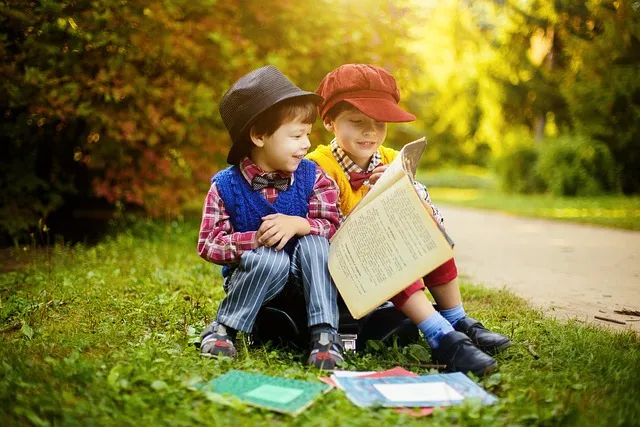


We’ve all been through situations where our child looks at what others have—like seeing a friend get the latest PlayStation and then not quite liking the one they have. Questions like “Why can’t I have the same iPad as Sarah?” or “Can we have a bigger playroom like Noor?” worry us as parents. We want to raise children who recognize and appreciate the countless blessings Allah has given them. Yet in a world where we’re all constantly encouraged to want more, understanding how to teach gratitude to kids feels like an uphill battle.
None of us wants our kids to take their blessings for granted, compare themselves to others, or focus more on what they lack instead of what they have. Yet we might be guilty of having done the same ourselves, and sometimes it feels inevitable in the world we live in. But just as we adults constantly keep pushing back against the pull of wanting more, we need to learn how to teach gratitude to kids in a manner suitable for their age. And one of the most powerful tools for doing that is children’s Islamic books about gratitude.
No number of lectures or plain reminders will help children truly feel, understand, and appreciate Allah’s favours. But a single story of a young Muslim expressing thankfulness, patience, generosity, and trust in Allah will help them relate to these values on an emotional level. Because the characters in Islamic books for kids do not tell your child to be grateful. They just show them the “why” and “how”—and the fun part of doing it all. Here are five wonderful Islamic books that can help you naturally nurture gratitude in Muslim kids without the constant back and forth.
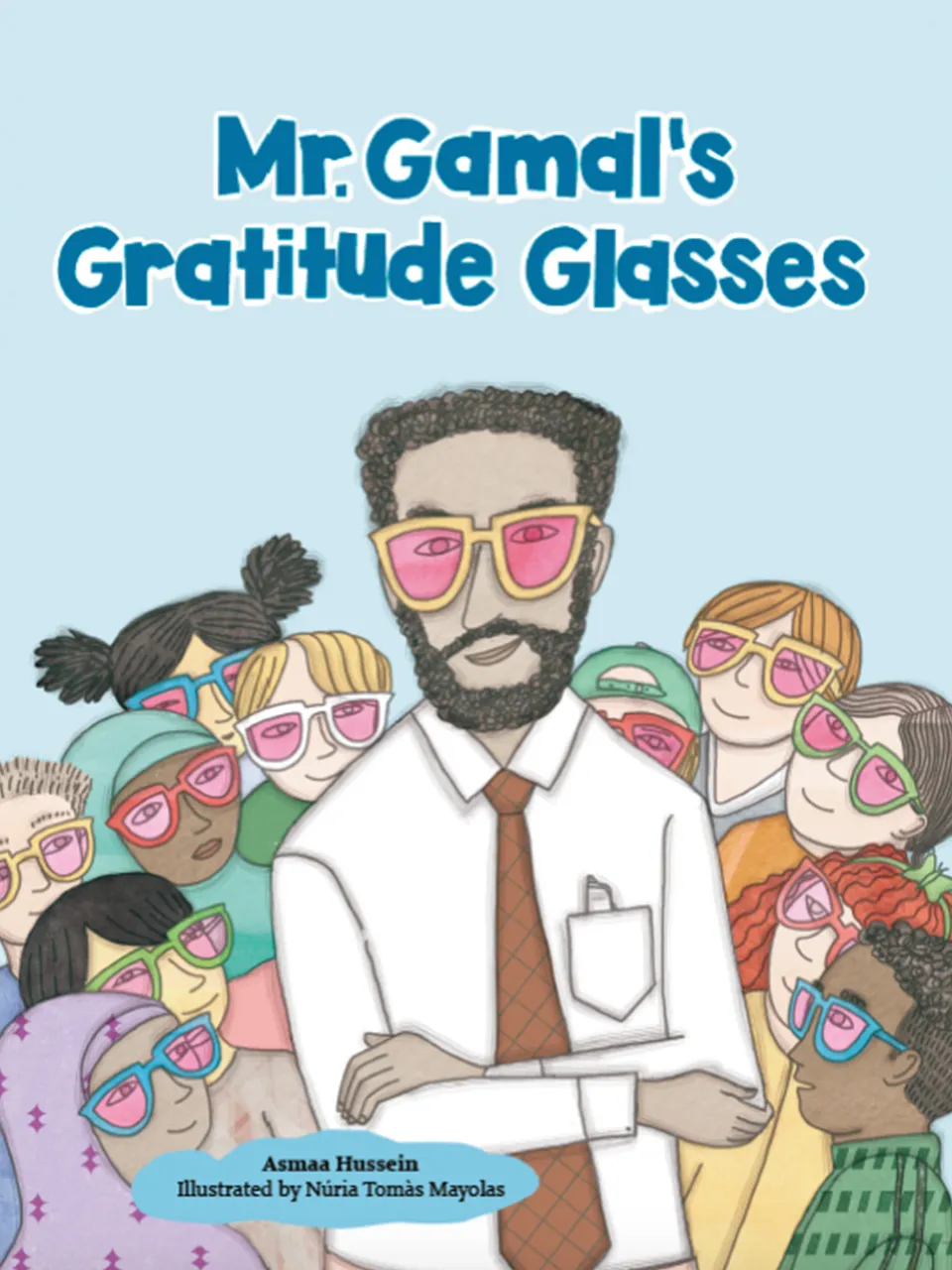
If your child often complains or focuses on what they don’t have, and you’re wondering how to teach gratitude in a way that truly resonates with them, Mr. Gamal’s Gratitude Glasses is a delightful story to add to their bookshelf. This Islamic book for children offers a gentle and creative approach to teaching gratitude. Although Mr. Gamal is a teacher, he doesn’t lecture his students about being grateful. He comes down to their level and tries to impart a valuable lesson in a way that touches their hearts.
Through a fun activity with a pair of glasses, his students are able to see the blessings they usually take for granted. He gives each of his students a special pair of glasses, which help them see the good things they usually ignore. This creative approach helps Muslim kids appreciate the blessings already present in their lives instead of always focusing on what they don’t have.
Does your child throw a tantrum when their favourite ice cream flavour is unavailable or when they can't get the toy they've been asking for? Trying to make little ones understand big life lessons isn’t easy. They won’t stop the tantrum just because you told them “We don’t always get what we hope for” or fully understand the idea that “Allah’s plan is always better.” But Lela Goldsmith knows how to teach gratitude to children without sounding preachy. She has done an excellent job achieving just that in Bibi's Blessing, a heartwarming story that gently helps children accept God’s plans and see the good in everything.
The story follows Mwana, a young girl who accidentally drops the delicious bread her grandmother, Bibi, had baked. Instead of becoming upset, Bibi reassures her that even something that seems like a loss can carry hidden blessings from Allah. As the story unfolds, Mwana does begin to notice unexpected blessings and understands the wisdom behind her grandmother's words—helping Muslim kids understand that gratitude is not only when things go our way, but something to hold onto in every situation. This is one of the best Islamic books about gratitude for the moments when "Allah's plan is better" feels too big for little ears—and you need a story to say it instead.
What if your child’s favourite food suddenly went short? What if the only few things your picky eater likes were all gone from the market? Unexpected moments like these can be a great opportunity to teach gratitude to kids if we think creatively. The child protagonist faces a similar situation in Alana’s Bananas. Forced to try new foods when a storm wipes out the banana crops, she realizes that there are plenty of other foods that actually taste good.
This is one of those Islamic books about gratitude that teach Muslim kids about the different forms of gratitude. We often take our everyday blessings for granted until we lose them—like Alana’s bananas that are suddenly all gone. And we often struggle to see the blessings that still surround us even in difficult times—the new foods that Alana starts to love when her favourite food is gone. Mariam Hussein very creatively imparts both of these vital life lessons in a light, fun-filled story for Muslim kids—showing parents how to teach gratitude to kids in a way that actually works.

We work hard so our children can live comfortably. But our kids might not always understand what it takes to put food on the table or a roof over their heads. They may still complain about the food or ask for new toys every day. Simply telling them about it won’t help much. But what if they could see the struggle through our eyes? Dawud Helps by Sarah Musa is a one-of-its-kind Islamic book that does just that. Dawud feels sad when his father doesn’t spend as much time with him on the weekends as he used to, because of losing his job and having to work harder. But then, a single accident pushes Dawud into a situation he never expected to be in.
His father’s sprained wrist means six weeks of rest from work—and Dawud must step in to help. As he lives his father’s life for a few weeks—from picking up jars to loading the car to selling in the market—he understands the importance of the blessings he’s always had. This Islamic book is perfect to nurture gratitude for daily blessings in young hearts. As Dawud struggles to do what his father does every day without complaining, young readers begin to see their own parents—and their own blessings—through completely different eyes. Finally, we can stop worrying about how to teach gratitude to children and let this story do the hard work for us.
Is your child the type who gets bored easily? Are they looking for something different to do every hour? Try The Adventures of Malik and Ameerah by Asmaa Hussein. When starting to teach important values like gratitude to Muslim kids, an Islamic activity book is the perfect tool to begin with. With a multitude of activities to keep little hands and hearts busy—colouring pages, mazes, and creative exercises—this single Islamic book can make your child’s learning experience a lot more practical and fun.
Try starting with one activity together—maybe circling the litter in a picture of a park, then heading outside to actually do it in real life. Reflect together on the importance of removing harmful things from the road. Take a moment to thank Allah as a family for allowing you to reap the rewards of this act of kindness. You can even get ideas from this book and add your own creative touch to them to come up with new activities for your kids.
The beautiful thing about these Islamic books on gratitude for kids is that they are not limited to a one-time activity. You can use them daily when starting to teach gratitude to kids or preschoolers. And this isn’t limited to reading. Even one of these stories can be used in many creative ways to encourage children to practise gratitude daily. Here are 3 ways you can incorporate these Islamic books in your child’s routine:
With children’s Islamic books like Mr. Gamal’s Gratitude Glasses and Dawud Helps, the question of how to teach gratitude to kids does not remain overwhelming. You can set some family gratitude rituals related to the stories to practise gratitude together. Dedicate a time daily for wearing the “gratitude glasses” and writing down one blessing you usually take for granted. Invite your children to help you with one of your daily chores, like setting the table, making the bed, rearranging the bookshelf, or simply everyone washing their own plates after dinner. Then reflect on how being able to enjoy these moments together is itself a blessing to be grateful for.
Read an Islamic book about gratitude every day or ask everyone to share a real experience about gratitude from their day. Reflect on the lessons together and set one goal for the next day to apply that lesson in one daily practice. For instance, if your child is a picky eater, they can learn to appreciate having sufficient food every day after reading Alana’s Bananas—and set the goal to try a new food the next day. Set a daily bedtime routine with Islamic books to teach kids about gratitude so they can end the day reinforcing some of the values they learned about.
Keep a family gratitude journal and track your daily reading of Islamic books on gratitude. Make separate sections in the journal for tracking daily reading, noting down daily blessings, marking the completion of a daily gratitude activity, and keeping a record of thanking Allah for specific personal blessings. Journaling is one of the most creative ways to teach gratitude to Muslim kids, as it helps them focus on what they have instead of what they lack. As they keep writing a new blessing daily, they can have a huge list of things to be grateful for by the end of the month instead of a never-ending wishlist for unnecessary things.
There are plenty of books out there about teaching gratitude to kids—and several guides on how to teach gratitude to preschoolers. But when it comes to nurturing the same values in Muslim kids, we need a unique approach. Our stories about gratitude need an Islamic touch. Our feelings and words of gratitude must—first and foremost—be directed toward Allah. And our books about gratitude should not be random.
When selecting Islamic books to teach gratitude to kids, we need to ask ourselves some questions: Are these books written by Muslim authors? Do they sound preachy or foster gratitude and love for Allah in a gentle and natural manner? Do these Islamic books show children how to practise gratitude in daily experiences? Muslim kids don’t just need to be grateful with their words. Their gratitude should always encourage them to practise other aspects of their faith in daily life.
So when it comes to the question of how to teach gratitude to kids, there is no perfect answer. However, making wise choices of Islamic books about gratitude is a significant part of that answer. Because when children learn life lessons and values in ways that are appealing to them, they’ll carry those lessons and values far beyond the last page of the story—into their teen years and adult life inshaAllah.
A: Teaching gratitude to young children works best through story, example, and simple daily rituals rather than explanation or lectures. Children connect to characters and stories more easily than mere concepts. Islamic books for children are a powerful tool to nurture gratitude in Muslim kids in a way that sticks. Pairing reading with certain story-based gratitude practices further helps children internalize the concept.
A: Teaching Muslim kids about gratitude should never be overwhelming. Instead of plain reminders or repetitive lectures, focus on making the learning experience fun and engaging through Islamic children’s books, activity-based gratitude practices, and setting an example by practising gratitude yourself.
A: Some of the best Islamic books about gratitude for Muslim children include Mr. Gamal's Gratitude Glasses by Asmaa Hussein, which helps children see commonly overlooked blessings; Bibi's Blessings by Lela Usama Goldsmith, which gently teaches children to find hidden blessings even in disappointment; Alana's Bananas by Mariam Hussein, which encourages gratitude in both easy and difficult times; and Dawud Helps by Sarah Musa, which helps children appreciate their parents and daily provision from Allah through a child protagonist's eyes. Additionally, The Adventures of Malik and Ameerah by Asmaa Hussein is an activity book that explores Islamic values like gratitude, kindness, generosity, and cleanliness through engaging activities. All are available at Ruqaya's Bookshelf.
A: Reading Islamic books is not the only fun way to teach gratitude to kids. You can set some family gratitude rituals related to the stories to practise gratitude together. Dedicate a time daily for wearing the “gratitude glasses” and writing down one blessing you usually take for granted. Keep a family gratitude journal and make separate sections for noting down daily blessings, marking the completion of a daily gratitude activity, and keeping a record of thanking Allah for specific personal blessings. Other practices include saying Alhamdulillah after eating a meal and naming something specific they enjoyed about it, helping with a household chore and reflecting on how working together is a blessing, and saying a dua of thanks after good news.

.svg)
.webp)

$
12.99
12.99
12.99
£
10.49
12.99
12.99
12.99
12.99
12.99
Best Seller
July 27, 2026
Best Seller
Family
Values
$
13.99
13.99
13.99
£
11.49
13.99
13.99
13.99
13.99
13.99
Best Seller
July 27, 2026
Adventure
Values

$
13.99
13.99
13.99
£
11.49
13.99
13.99
13.99
13.99
13.99
Best Seller
July 27, 2026
Adventure
Values


.webp)
.webp)
.webp)
Be the first to know about our latest books, coupons, and giveaways!


.svg)


.webp)

Sign up today and get 10% off your first order!
Use this discount code at checkout: TENOFF