
June 1, 2026

Free Shipping On Orders Above $75


Have you ever noticed how many times your child reaches for the screen throughout the day? A cartoon they love, a quick video game that easily stretches into an hour before you notice it, a YouTube series they can’t get enough of. And honestly—we get it. Exhausted after a whole day of chores and endless responsibilities, handing them a phone for ten minutes of peace quite reasonably feels like the easiest option. But the fact that you’re here, looking for screen-free activities for kids, tells us something: you’re ready to take a step in the right direction.
If you’re trying to cut screen-time for your kid, you don’t need a complicated screen-free activities kit. All you need is Islamic children’s books—and this one tool can help you come up with multiple effective and meaningful ideas for screen-free activities for kids. At Ruqaya’s Bookshelf, we carry innovative Islamic children’s books that connect children to their faith, build confidence in their identity, and speak to kids on their level. Here’s a list of 10 of our favourite screen-free activities for kids inspired by Islamic children’s books—activities that kids will actually enjoy replacing their screen time with.
Have you ever watched your child drape a blanket over their shoulders and pretend to save the world? That's not just play—that's a child's most natural way of learning. They imitate what they observe, and they’ll internalize what they repeatedly imitate. The same thing happens with books they're genuinely into.
So don’t just limit the Islamic children’s books on your shelf to reading time. Tell your kids to act out the story or the characters they loved best. Homeschool Biryani is perfect for this. Ask your child to spend a day like Khadija—exploring the world around them, engaging in productive screen-free activities like tending the garden, filling a yearbook, or learning how to cook. They don't need to attempt the biryani (unless they want to).
The point is giving them a character worth looking up to. This is one of the screen-free activities for kids that naturally replaces passive screen time with imaginative, active play—without them even noticing the switch.
Add a twist to the classic screen-free activity. Make drawing more fun by incorporating their favourite stories from Islamic children’s books. Ask them to draw the characters or scenes. If it’s a book without pictures, you can ask them to draw how they imagined the characters while reading or listening to the story. But if it’s a picture book, you can get even more creative with screen-free activities for kids. Ask them to draw a new scene they would love to see their favourite characters in. My Garden over Gaza is a beautiful choice for this. Children can draw Noura and her mother finally living in a free Palestine. This drawing activity can also open up a meaningful conversation about the power of dua and the importance of raising our voice against injustice.
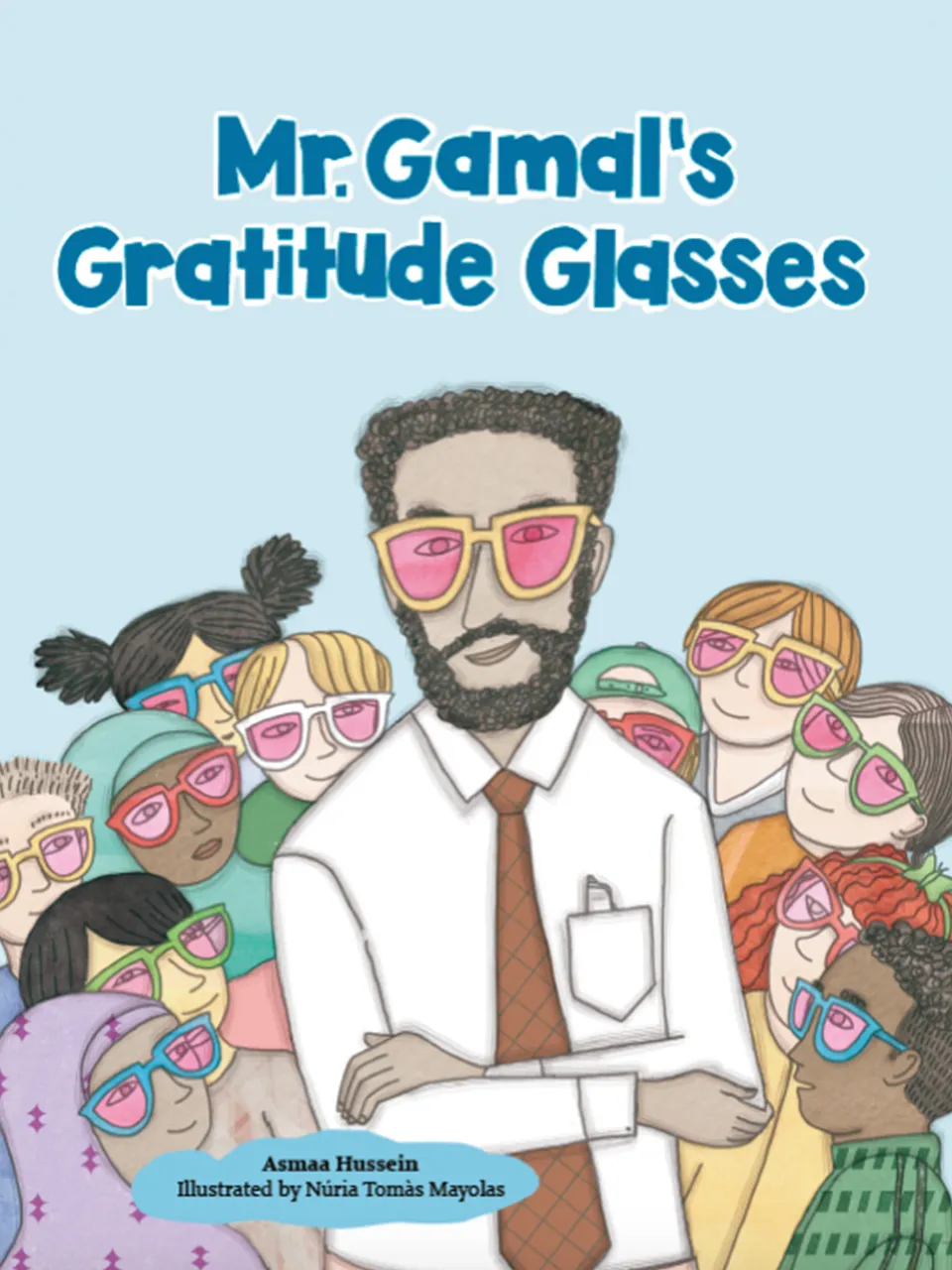
Turn conversations about the story into a fun-filled ritual. After reading a book like Mr. Gamal's Gratitude Glasses, sit down and have a short conversation that connects the story to your own daily interactions. Bring a pair of glasses and use them only for that specific conversation every day: whoever wears the glasses thinks about one thing they’re grateful for that they usually do not notice.
Kids enjoy rituals. Dedicating a special pair of glasses for this activity will help kids look forward to the meaningful conversations. You can also keep a special “gratitude notebook” where everyone writes down one thing they’re grateful for each day. This is one of those indoor screen-free activities for kids that gently teaches them Islamic values in a fun way.
Most family get-together plans these days end with watching TV together—and what was supposed to be family time ends up becoming additional screen-time with little value or purpose. Making a conscious choice for screen-free activities for kids also means shifting our choices as a family. Replace the usual TV time with a Story-time Circle. One parent reads the story. Everyone else listens. At the end, each person shares their thoughts about the story and what they related to most. Choose a good family read from our Islamic children’s books to fill your family read-aloud time with laughter and warmth.
Stuck in the Middle is our favourite pick for this. It beautifully captures the noise, drama, and chaos of family life. In the sibling wars, the family annoyances, and the unexpected moments of warmth, children can see familiar emotions and struggles—and understand the importance of family bonds. It’s the kind of screen-free activity for kids that strengthens relationships through fun.

This activity develops motor skills and creativity. It’s one of the best screen-free activities for kids that focuses on the art of decorating and organizing. Ask your children to recreate a corner of their room as inspired by any of the Islamic children’s books they love. Keep a few plants near the window that remind them to do dhikr daily—inspired by the garden in Mama Musoo’s Dhikr Plants. A special salah corner with their very own small prayer rug, where they pray together with you—inspired by Nanu’s Prayer Rug. When they build their environment based on Islamic stories, their surroundings will consistently reinforce the Islamic values we want them to learn.
For kids who love to write or draw, a story journal is one of the most creative screen-free activities you can introduce. Every day, after reading an Islamic children’s book, encourage them to do three things:
A chapter book series for Muslim kids is the best choice for this activity. You can use the Ali Series by Farheen Khan. With a longer story, the reading spans over days instead of hours, helping children grow with the characters and remain engaged in daily story journaling. This fills their time with diverse meaningful activities that are all related to the book they’re reading, which reinforces the lessons more effectively.
This is a great way to use Islamic children’s books to develop their drawing and imaginative skills. After reading a story together, host a small poster competition at home. Everyone draws a symbolic poster displaying a lesson from the story that resonated with them the most. You can hang the posters in their room or play area afterwards. These kinds of screen-free activities for kids help them connect to Muslim heroes in the books. Instead of the cabinets full of toys modelled on heroes that Muslim kids struggle to see themselves in, use screen-free activities for kids that focus on drawing and creativity to empower children to own their identity and value the heroes that truly represent them.
If we want screen-free activities for kids to be a natural part of their daily life, we must make a consistent reading routine. Get your kids excited about book-reading by setting a fixed schedule. Keep it simple for them and manageable for yourself:
Spending even ten minutes in the morning, afternoon, and evening together with your children can naturally make them look forward to screen-free time. All it takes is our active involvement as parents—not only in tasks like homework help or meals, but also in spending quality fun time with them.
If a story is set in a real place, visit that place together when possible. Help children see the places in real life and connect the stories to everyday experiences. This sparks their interest and fills them with excitement when they see that the world of their favourite stories is not just fictional—it exists in reality. For example, referring back to The Green Dinosaur Umbrella if you go to umrah as a family will help kids see the journey as a fun learning experience they look forward to and connect with. Or take them to a local mosque with you for taraweeh during Ramadan and help them see the scenes from Trouble at Taraweeh coming to life.
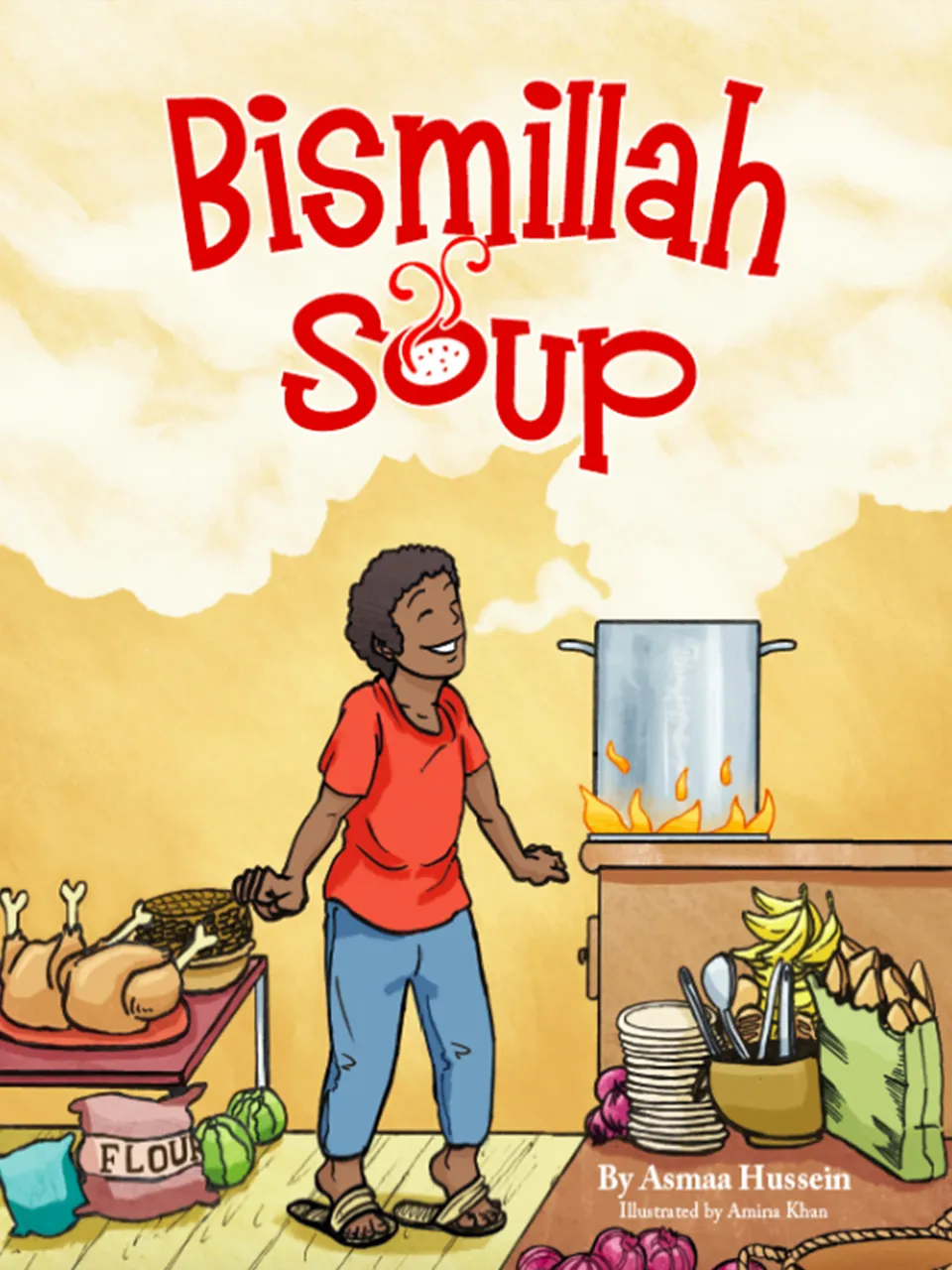
Pick a book, pack some food inspired by the story, and go outside. One of the simplest screen-free activities for kids is to take their favourite Islamic children’s books with you on a picnic. If you’ve been reading Bismillah Soup or There Was an Old Auntie Who Swallowed a Samosa, make a simple snack, bring it along, and enjoy it together on your picnic. You can even get your children to help you prepare the food—yet another one of those screen-free activities that develop skills and responsibility.
If you’ve been reading One Hundred Flavours of Ice Cream, do what Harun and Heba do in the story. Go for a walk in the park. Notice the marvels of nature. Reflect on the beauty of Allah’s creation. These screen-free activities may be simple, but they help your child connect with nature and make reading more than a mere indoor activity.
Each of these screen-free activities for kids starts with one simple tool: Islamic children’s books. As parents, we have to admit that we cannot completely remove screens from our children’s lives. In fact, the disciplined used of technology with controlled screen-time can even be beneficial for children—to keep up with advancements in technology and to access the vast treasure of knowledge available online. But reading will always have its own place in shaping minds and encouraging behaviours.
Screen-free activities for kids are essential not just for their physical health, but also for their intellectual growth. And turning to Islamic children’s books to plan our children’s screen-free time is the best thing we can do—for preserving Islamic values, building confidence in their unique identity, and putting them on the road to choose Allah through love rather than force.
A: The most engaging screen-free activities for kids are not just about doing something meaningful, but doing it while having fun. Regular journaling might not spark their excitement as much as journaling about a good story will. Helping you cook their favourite dish might not sound so much fun until it’s about acting out a favourite scene from a book.
A: The key is making the book experience more interactive and multi-sensory than passive screen-time. Instead of just reading and putting the book away, bring it into daily learning and play-time—act out the story, draw the characters, cook the food from the story, or visit a place connected to it. When children associate Islamic children's books with play, creativity, and family fun, they’re more likely to enjoy books and look forward to reading them together.
A: Some of the best indoor screen-free activities for kids include story journaling, drawing story scenes, hosting a poster competition based on a book, recreating a book setting in their room, and a family story-time circle. All of these can be done entirely at home using Islamic children's books as the starting point—and most require nothing more than paper, pencils, and a good story.
A: Yes, Islamic children's books are one of the most effective tools for screen-free learning because they combine reading skills and language development with faith-based learning, reinforcement of Islamic values, and owning a unique identity. The best Islamic children's books don't just tell a story—they spark questions, conversations, creative play, and a sense of pride in Muslim identity.
A: At Ruqaya’s Bookshelf, we have curated a collection of Islamic children’s books that parents trust and that children can’t get enough of. You can view our full collection of faith-filled adventures—featuring relatable characters and meaningful lessons—by visiting our website: www.ruqayasbookshelf.com

.svg)
.webp)

$
12.99
12.99
12.99
£
10.49
12.99
12.99
12.99
12.99
12.99
Best Seller
October 6, 2026
Best Seller
Family
Values
$
13.99
13.99
13.99
£
11.49
13.99
13.99
13.99
13.99
13.99
Best Seller
October 6, 2026
Adventure
Values
$
13.99
13.99
13.99
£
11.49
13.99
13.99
13.99
13.99
13.99
Best Seller
October 6, 2026
Adventure
Values


.webp)
.webp)
.webp)
Be the first to know about our latest books, coupons, and giveaways!


.svg)


.webp)


Sign up today and get 10% off your first order!
Use this discount code at checkout: TENOFF