
August 26, 2026

Free Shipping On Orders Above $75


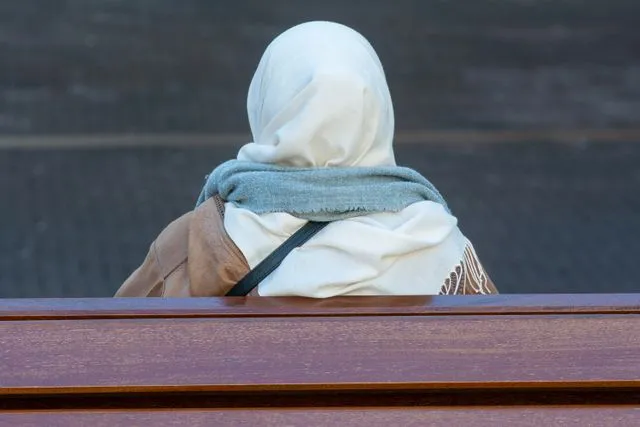


Hijab Bullying is one of the most common forms of bullying that Muslim kids face at school in the West. And that's no surprise when the media continues to engineer Islamophobia, leading to increased instances of discrimination against Muslims. When dominant personalities like Trump mock the hijab on platforms like Truth Social, it adds fuel to the fire. Even adults can face intense psychological pressure, fear of harm, loss of confidence, and identity crises. And children are even more vulnerable. Feeling left out, developing negative personality traits like low self-esteem and anger issues, and becoming distant from their faith are some of the prominent outcomes. Because children’s brains are still developing, hijab bullying or other forms of bullying related to their faith can leave very strong impressions on their minds, affecting their self-image, worldview, and relationships. Knowing what to do when your child is being bullied is crucial to protecting their mental health and preserving a positive connection with their faith.
As Muslim parents, we do our best to make our daughters love the hijab. We encourage them to wear it occasionally as kids to help them internalize the purpose and meaning behind this command from Allah. We want them to take pride in the hijab as a symbol of their special identity—as the representatives of Allah's religion on earth. Yet all these efforts can backfire if our children experience hijab bullying at school. If we become aware that our child is bullied for wearing hijab, we must take the steps needed to tackle these attacks and help restore their confidence.
Just like any child who is bullied for any reason, a Muslim child bullied at school might never tell you about their struggles for fear of making things worse. They might feel like you won't understand, or they themselves might be struggling with the question of why Muslims dress differently? Nevertheless, there are signs to watch out for that may indicate that your child is facing hijab bullying. Knowing about these signs and keeping an eye out for them can help you deal with the issue in time and adopt the correct approach before it escalates further.
Sometimes, a Muslim child bullied at school can feel that the bullying is actually about the hijab, not about being different. There might be many children in their class with unique things about them—a different accent, an unusual name, bright dyed hair. But none of them might be targeted the same way as a Muslim kid wearing the hijab. That's when a Muslim child starts losing confidence in their identity. If we parents do not nurture a strong relationship with Allah in their hearts from a young age or fail to intervene in a timely manner when they become victims of hijab bullying, our children might eventually reach the point where they don't even want to be recognized as Muslims anymore. That's why knowing what to do when your child is being bullied is crucial for Muslim parents. It is an important element of tarbiyah which also strengthens the parent-child bond.
Communication is the key to countering the effects of hijab bullying. But knowing how to talk to your child and what to ask them requires wisdom, strategy, and an informed approach. Kids don't open up so easily about such sensitive topics, especially if your parent-child relationship dynamics are such that you rarely talk about personal issues. Many parents don't focus on building trust with their children, which ends up making kids hesitant in being vulnerable with them. Even if that's the case, you can make the talk less awkward by not being too direct right away. If you want to know whether your child is being bullied at school, just begin a normal conversation asking them how their day at school was. What were the best parts? Did they have fun? Did they have challenging moments? Did they feel left out at any point? In this way, make the conversation naturally transition to questions that will give you clues and get them to open up without directly asking them if they're being bullied.
If you find out your child is being bullied at school, ask them if this has ever happened before and how frequently. Remain composed and don't react right away or try to contact the school. Kids might be threatened by bullies with serious consequences if they speak up against them—and your decision to submit a complaint might make your kid even more nervous. During the entire conversation, make sure you focus as much on listening as you do on asking the right questions. Don't jump from one question to another. Listen when your child tells you something. Make them feel at ease talking to you and let them know you're always available when they want to share something personal. Lastly, make these conversations about hijab bullying a regular part of family time, not a one-time practice. This will help you identify and resolve any future instances of hijab bullying in a timely way if they arise again.
Even if you have a good relationship with your child, a child bullied for wearing hijab might still not want to talk to you about this specific matter. This could be because of several reasons. They might feel like you won't understand because the Islamic environment and ideas at home seem very different from the Western ideologies they encounter at school. They might not want to worry you as they see you dealing with other problems in life. They might want to handle it on their own because they don't want to appear weak by asking adults for help. They might be shamed by the bullies for not having the courage to respond themselves or threatened with serious consequences if they get others involved.
Knowing how to get a child to open up about bullying is easy when you know how to talk to them about it in the first place. Never force them to open up about bullying if they do not feel ready. Don't start the conversation abruptly. Don't ask direct questions about hijab bullying. Help them feel relaxed by choosing the right moment like enjoying a favourite food together or playing a family game. Ask indirect questions specifically about their Muslim identity and hijab. What do they love about it? What is the most challenging thing about it? Let them know gently that you'll never judge them and always be willing to support them in every struggle. Help them understand that their feelings matter and emotional struggle is part of growing up. Tell them that Allah understands their feelings and provides solutions to emotional struggles in the Qur'an and Sunnah. Encourage them to use Qur'anic ayahs as affirmations:
"God does not burden any soul with more than it can bear" (Surat al-Baqarah 2:286).
"Have no fear! I am with you, hearing and seeing" (Surat at-Taha 20:46).
"So, surely with hardship comes ease. Surely with ˹that˺ hardship comes ˹more˺ ease” (Surat ash-Sharh 94:5-6).
The best way to get a child to open up about bullying is to help them feel heard and supported. Instead of reacting right away to punish the bullies or shaming kids for feeling negative about their religious teachings, gently let them know that you're available to hear them out and that Allah always helps those who trust Him. When you create a relaxed environment, children are more likely to feel at ease talking about their feelings. And when they know that their faith acknowledges their emotions, they're less likely to feel distant from their religious beliefs and practices.
Hijab bullying is a serious issue that can cause long-term consequences for the victim if not addressed in a timely and appropriate manner. Knowing what to do when a Muslim child is bullied at school is crucial for every Muslim parent. Because when hijab bullying is ignored or taken for granted, it can cause great damage to our children's faith, personalities, and emotional well-being. When your child is bullied at school for wearing hijab, the first step is what we've already mentioned before: be willing to listen and let them speak their heart out. Even if they end up questioning their faith or feel resentment for their religious practices, don't blame them. Instead, gently let them know why we do what we do as Muslims. Why we obey Allah without question and how every command of His is full of wisdom, in perfect alignment with the human intellect and fitrah.
The next step is to ask them exactly what happened—how many times have they been targeted with criticism and harsh remarks and who exactly makes these comments or threats. Record everything and contact the school authorities for help. Ask the authorities about what specific steps will be taken to prevent hijab bullying in the future and what to do if it ever happens again. If the school doesn't respond appropriately, specific organizations like CAIR in the US and NCCM in Canada can help. These organizations specifically deal with Islamophobia and discrimination, providing legal support to Muslim students who face bullying at school. Let your child know they don't have to be afraid of threats because they can take legal action.
Build a parent-child relationship on trust so that your child never hesitates to share a hijab bullying incident as soon as it occurs. One of the best things to do if your child faces bullying at school is to help them identify a trusted friend or adult to stay close to during school hours. You can even reassure them that they can opt for homeschooling if the situation becomes too overwhelming or dangerous. In most cases, however, contacting the school and reassuring your kid is sufficient to restore their confidence and avoid future occurrences of hijab bullying by the same person. When you constantly stay in touch with your children and discuss what happens at school—when you constantly remind them of your support and acknowledge their struggles instead of blaming them—their confidence naturally grows and they start trusting you more.
When your child faces hijab bullying at school, your goal while reassuring and supporting them should never be just to help them feel okay. Being heard and seen is important, no doubt. But that's just the first step. Hijab bullying can completely shatter a child's confidence; and our efforts to support children after they face such bullying should focus on restoring that confidence, helping them feel proud of their Muslim identity.
So, when you're exploring what to do if your child faces bullying at school, one surprisingly effective step is to introduce them to stories and characters undergoing the same struggles as them. Islamic books for children reflect the everyday realities faced by Muslim kids around the world. At Ruqaya's Bookshelf, most of our stories capture the world of a Muslim child navigating life in the West, a culture that can sometimes contradict their faith.
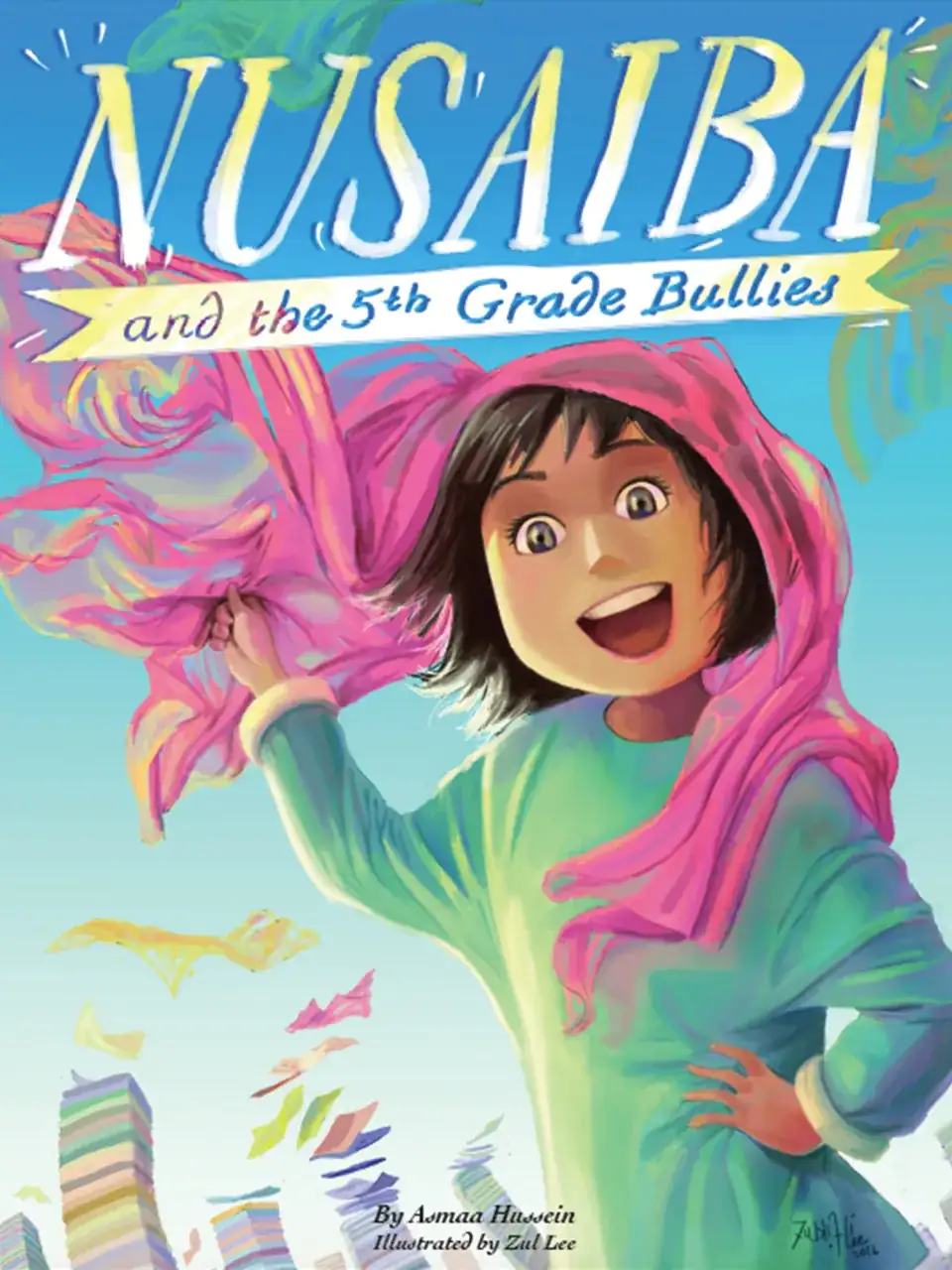
Nusaiba and the 5th Grade Bullies is the go-to story for Muslim kids who have experienced hijab bullying. Saddened by a hurtful comment on her mother's hijab, Nusaiba finds herself on an unexpected journey of drawing strength—not shame—from her faith and Muslim identity. This is a great pick even for kids who haven't faced bullying for wearing hijab. Because it creates a positive mindset about self-acceptance as the greatest victory over bullying—and prepares children to stand tall and handle incidents of hijab bullying before they even occur.
Hijab Bullying should never be dismissed as casual teasing. It can have serious psychological issues for children, teens, and adults alike. For children specifically, this issue is even more sensitive as the beliefs they develop about themselves during their early years continue to shape their confidence, mindset, and personality as they grow. Knowing what to do when you child faces bullying at school helps you prevent the potential negative consequences it can have for your child's health, self-esteem, and relationship with their faith.
Hijab bullying isn't an issue that you deal with after it arises. A preventive approach involves creating a safe space for children to return to if they're bullied at school. Build your parent-child connection on a level of trust so high that they never hide their problems from you out of fear of dismissal or judgement. Talk to them regularly about their experiences at school. And most importantly, become the role model they drive inspiration from when they're bullied for wearing hijab. Wear your hijab with confidence and dignity. Show them that you're proud of it. Tell them how much you love it and why. When you portray the hijab as a symbol of strength through your own example, your children are more likely to remain rooted in faith during their own challenges with the hijab.
A: When your child is bullied for wearing hijab, the first step is to be willing to listen and let them speak their heart out. Have a gentle conversation and tell them you'll always support them through challenges. The next step is to ask them exactly what happened and contact the school authorities for help. Build a parent-child relationship on trust so that your child never hesitates to share a hijab bullying incident as soon as it occurs.
A: If you are the one being bullied for wearing hijab and your child is watching, turn the incident into a moment of learning and inspiration. Continue wearing your hijab with confidence and dignity. Show your child that you're proud of it. Tell them how much you love it and why. When you portray the hijab as a symbol of strength through your own example, your children are more likely to remain strong during their own challenges with the hijab.
A: Never force your child to open up about bullying if they do not feel ready. Don't start the conversation abruptly. Instead of asking direct questions about hijab bullying, help them feel relaxed by choosing the right moment, like when enjoying a favourite food together or playing a family game. Ask indirect questions specifically about their Muslim identity and hijab. Help them understand that their feelings matter and emotional struggle is part of growing up. Tell them that Allah understands their emotions and provides solutions to every struggle in the Qur'an and Sunnah.
A: If your child is being bullied for their hijab, ask them exactly what happened and contact the school authorities for help. Ask the authorities about what specific steps will be taken to prevent hijab bullying in the future and what to do if it ever happens again. If the school doesn't respond appropriately, specific organizations like CAIR in the US and NCCM in Canada can help. These organizations specifically deal with Islamophobia and discrimination, providing legal support to Muslim students who face bullying at school.
A: One surprisingly effective step is to introduce them to stories and characters undergoing the same struggles as them. Islamic books for children reflect the everyday realities faced by Muslim kids around the world. In this regard, Nusaiba and the 5th Grade Bullies is a go-to option for Muslim kids who have experienced hijab bullying at some point. It creates a positive mindset about self-acceptance as the greatest victory over bullying—and prepares children to stand tall and handle incidents of hijab bullying before they even occur.

.svg)
.webp)

$
12.99
12.99
12.99
£
10.49
12.99
12.99
12.99
12.99
12.99
Best Seller
October 6, 2026
Best Seller
Family
Values
$
13.99
13.99
13.99
£
11.49
13.99
13.99
13.99
13.99
13.99
Best Seller
October 6, 2026
Adventure
Values
$
13.99
13.99
13.99
£
11.49
13.99
13.99
13.99
13.99
13.99
Best Seller
October 6, 2026
Adventure
Values


.webp)
.webp)
.webp)
Be the first to know about our latest books, coupons, and giveaways!


.svg)


.webp)


Sign up today and get 10% off your first order!
Use this discount code at checkout: TENOFF