
October 8, 2026

Free Shipping On Orders Above $75




“Give it back!”
“I had it first!”
“Mama, tell her it’s mine!”
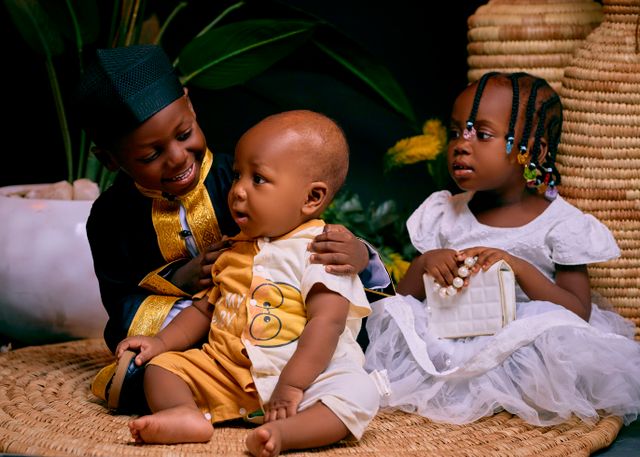
You hear the shouting from the living room and already know what’s waiting for you. Two children, one toy, and two completely different versions of what just happened. If you’re wondering how to deal with sibling rivalry as a parent, you aren’t alone.
Sibling conflicts are a completely normal part of growing up. Children are learning how to share space, navigate frustration, and understand another person's feelings. As Muslim parents, our homes are also the very first classroom where our children practise justice, mercy, and respect for family ties.
So, how do you handle it when tempers flare? Start by staying calm and protecting everyone’s safety. Then, avoid automatically choosing sides and listen to both children. Finally, address the underlying issue and guide them toward a fair resolution before helping them make amends.
When siblings' fighting breaks out, it is tempting to jump straight into referee mode.
“Who started it?”
“Why did you hit your brother?”
“You’re older, just let her have it.”
You often say these things simply to stop the noise. But knowing how to handle sibling rivalry starts with taking a breath before deciding who is right or wrong.
First, pause the argument. If a child is hurt or scared, separate them right away. Once everyone is calm, listen to both sides without making assumptions, and guide them toward a fair solution.
This is where ‘adl and rahma come together in action. Rahma stops you from letting one child hurt another, while ‘adl stops you from unfairly blaming both when only one made a mistake. Responding with both helps you meet each child’s real needs and shows you how to reduce sibling rivalry at home.
Deciding whether to step in or let your children work things out is one of the trickiest parts of knowing how to deal with sibling rivalry. If you intervene too quickly, you miss a chance to let them build problem-solving skills. But if you wait too long, a small argument can turn into real hurt.
Use this simple guide to help you decide what to do in the moment:
Let Them Try Step In
Safe disagreement Physical aggression
Both children can speak One child is frightened
Minor dispute Bullying or intimidation
They can attempt a solution Conflict keeps escalating
To understand how to handle sibling rivalry, you have to look closely at the underlying causes of sibling conflicts. Disagreements rarely start over a borrowed toy or who sits near the window. More often, they come from deeper feelings: needing your attention, feeling compared, wanting privacy, or worrying about being overlooked.
We see this emotional pattern in the Qur’an through the story of Prophet Yusuf (AS). His brothers experienced deep jealousy over their father’s love, showing us how feelings of favouritism can grow into real harm. Although Prophet Yaqub (AS) was never unjust, the brothers' perception of unequal love created resentment.
Before assuming a fight is only about an object, consider whether a child is feeling left out or unheard. You can help ease this tension by spending individual time with each child and allowing them to express difficult feelings without instantly correcting them.
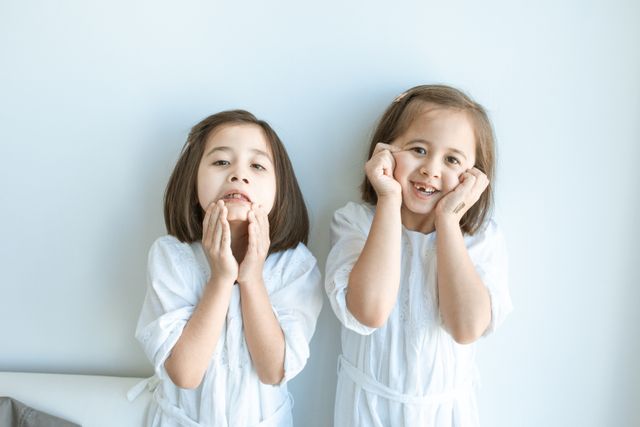
Practicing ‘adl at home is one of the most effective ways to learn how to deal with sibling rivalry before it starts. Bringing fairness into family decisions does not mean treating every child identically; it means meeting your children’s unique, age-related needs without showing favour to one over the other.
The Prophet Muhammad (PBUH) strongly instructed parents to maintain justice among their children. Nu’man bin Bashir (RA) narrated that his father took him to the Prophet (PBUH) to bear witness to a gift he had given him. The Prophet (PBUH) asked, "Have you given (the like of it) to every one of your sons?" He replied in the negative. Allah's Messenger (PBUH) said, "Be afraid of Allah, and be just to your children" (Sahih al-Bukhari 2587).
So, how do you bring this lesson into daily life?
Start by avoiding subtle comparisons between your children’s achievements or behaviour. Take time to listen to each child’s individual needs, respect their personal belongings, and stop forcing one child to constantly give up their things to the other.
Forcing a child to quickly mumble "I'm sorry" rarely resolves real sibling conflict. Real healing means helping your child see what happened, understand why their sibling is upset, and figure out how to make things right.
This is where true rahma comes in. We see this in the Qur’an when Prophet Yusuf (AS) reunited with his brothers and said:
“There is no blame on you today. May Allah forgive you! He is the Most Merciful of the Merciful” (Surat Yusuf 12:92).
His mercy unfolded after his brothers admitted their mistake. Forgiveness is beautiful, but you shouldn't pressure a child to instantly brush off their hurt or accept being treated poorly.
You can guide them without making anyone feel like a bad kid. For example, if a younger child knocks down a tower, step in gently: "Your sister worked hard on this and feels sad. Saying sorry is a good start, but let's help her rebuild it together."
Connecting with your children during peaceful moments is one of the most effective ways to learn how to reduce sibling rivalry. When you help them share simple, low-pressure experiences like cooking together, helping each other with simple chores, or enjoying little family rituals, they start seeing each other as teammates rather than rivals.
Giving each child individual attention is just as important. When a child feels fully seen and loved by you, the quiet urge behind sibling conflict naturally fades.
You don't need to force your kids to be best friends or share every single toy. They can have completely different personalities and interests and still treat one another with genuine warmth, care, and respect.
Stories give children a safe way to watch another sibling relationship from the outside. By reading, kids can notice feelings of resentment, revenge, jealousy, unfairness, hurt, forgiveness, and family love without feeling personally accused.
Reading books about sibling rivalry opens gentle bedtime conversations. Books like Stuck in the Middle help children understand what it feels like to be overlooked, while Bilal's Second Surprise uses humour to show the heartwarming fun of stepping into the big-brother role when a newborn arrives. These stories give kids a gentle way to see things from their sibling's perspective.
So, the next time you hear shouting from the living room over a borrowed toy, take a breath. A peaceful home isn't one where siblings never clash, irritate each other, or need space. Your children can disagree and still build a deeply loving bond that lasts a lifetime. What you can teach them in those moments is how to disagree without cruelty, how to own up to their mistakes, how to repair hurt feelings, and how to remember that frustration never erases family love.
Learning how to deal with sibling rivalry through faith and empathy turns daily arguments into valuable life lessons. When siblings’ fighting becomes overwhelming, knowing how to handle sibling rivalry calmly helps restore peace in your home. Ultimately, this approach comes down to three pillars: fairness in your decisions, mercy in how your kids make amends, and a deep respect for family ties. Focus on guiding them steadily each day rather than hoping for a miracle overnight.
A: Yes, absolutely. Sibling rivalry is a completely natural part of growing up as children learn to share space, navigate boundaries, and express their individual needs. Disagreements don't mean your home is failing or that you are doing something wrong. They are simply everyday opportunities for kids to practice conflict resolution, build emotional intelligence, and foster a genuine love for each other.
A: Islam places great emphasis on justice (‘adl), mercy (rahma), and preserving family ties. The Qur'an shares real family dynamics, such as the story of Prophet Yusuf (AS) and his brothers, to show us the deep harm of jealousy and the healing power of forgiveness. It serves as a gentle reminder for parents to treat their children with fairness and guide them toward heartfelt reconciliation.
A: When a fight breaks out, follow a clear, stepped approach:
Stay calm → Protect safety → Avoid automatically choosing sides → Listen → Identify the problem → Guide children toward a solution → Follow up with repair.
A: Yes, but it depends on the situation. You should step in immediately if there is any physical aggression, name-calling, or safety risk during a siblings' fight. However, for minor squabbles, try stepping in as a supportive coach rather than a referee. When you help your children put their feelings into words instead of solving the argument for them, they learn how to work through conflicts independently next time.
A: The best place to start is during the quiet, peaceful moments when no one is arguing. Spending just a few minutes of one-on-one time with each child every day works wonders. It keeps their emotional tanks full so they don't feel the need to compete for your attention. You can also give them gentle ways to connect, like helping you in the kitchen, tackling a simple chore as a team, or enjoying a small family routine together, while holding soft but clear boundaries around kindness and personal space.
A: Not always, because treating children equally isn't quite the same as treating them fairly. Equality means giving every child the exact same thing, whereas fairness means giving each child what they specifically need at their age and stage of development. Children thrive best when they feel cherished for who they are as individuals rather than compared to a brother or sister.
A: Yes, sibling rivalry can damage a relationship, if constant fights are left ignored or if a child feels like a parent always takes the other’s side. Over time, that can turn into hurt feelings that stick around into adulthood. But when you help your kids work through arguments with fairness and understanding, those messy moments actually bring them closer together and teach them how to build strong, healthy relationships for life.
A: Definitely. Sharing a story gives children a safe, comfortable way to look at sibling conflict from the outside. When children read about characters dealing with jealousy, feeling left out, or welcoming a new baby, it helps them process those big emotions without feeling personally accused. Stories like Stuck in the Middle and Bilal's Second Surprise give kids a comforting way to connect with these feelings and open up naturally during bedtime conversations.

.svg)
.webp)

$
12.99
12.99
12.99
£
10.49
12.99
12.99
12.99
12.99
12.99
Best Seller
October 6, 2026
Best Seller
Family
Values
$
13.99
13.99
13.99
£
11.49
13.99
13.99
13.99
13.99
13.99
Best Seller
October 6, 2026
Adventure
Values
$
13.99
13.99
13.99
£
11.49
13.99
13.99
13.99
13.99
13.99
Best Seller
October 6, 2026
Adventure
Values


.webp)
.webp)
.webp)
Be the first to know about our latest books, coupons, and giveaways!


.svg)


.webp)


Sign up today and get 10% off your first order!
Use this discount code at checkout: TENOFF