

October 5, 2026

Free Shipping On Orders Above $75


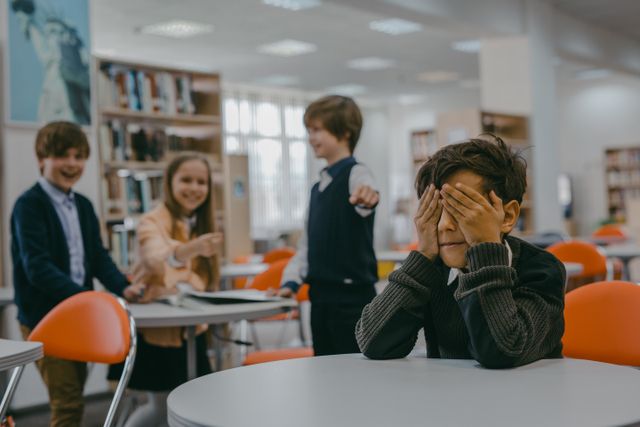


Peer pressure in schools is something Muslim children face every day. It can look like Christmas-themed activities that make your child feel left out. It can strike when your child is offered a sandwich that is not halal. It can shake a Muslim girl’s confidence when she’s asked why she’s wearing a scarf on her head when it’s so hot out. It can make the only Muslim player on the team feel shy about asking for salah breaks. Kids deal with a lot, and they don’t always know how to handle school peer pressure, whether that peer pressure manifests as a large, dramatic event or a small annoyance that chips away at their self-esteem.
Children affected by peer pressure in schools may slowly start changing small parts of themselves to fit in because being different feels awkward. When children aren't equipped with the tools to remain confident of their Muslim identity, fitting in can feel like the easier option. And wanting to belong is completely normal. But who or what we associate our "belonging" with really matters. As Muslim parents, our goal isn't to raise a child who doesn't care about anyone else's opinion. It's to raise a child so confident in their values that they know whose opinion really matters. It's to give them the emotional support and spiritual grounding they need to avoid hiding their true selves just to belong.
Peer pressure is the strong feeling that drives one to change themselves to be like others in their age group or social circle. It clouds one's sense of identity and what they truly want for themselves as the pressure of others' opinions nudges their desire to seek acceptance. Peer pressure for Muslim kids can be direct or indirect, obvious or subtle. For example, your child might be directly bullied for wearing the hijab at school, or they can feel left out when the other girls are talking about relationships and boyfriends.
In both of its forms, peer pressure can significantly affect a Muslim child's confidence, social life, relationship with Allah, and connection with their values. They might start feeling embarrassed by their name that everyone struggles to pronounce or start using foul language to be accepted by a peer group. Muslim children in their early teens may even feel pressured to agree to activities that go against their faith, like joining an evening party at the club or giving up modest dressing to look like everyone else. Knowing how peer pressure affects children is important for parents so they can take proactive steps to avoid it.
Fitting in or belonging can feel so important to children because it is natural for humans to seek friendships, connections, acceptance, and approval from others. The discrepancy between parents’ values and that of the rest of society is a challenge that usually begins when a child starts school. As soon as children start spending more time outside, friends and classmates become an important part of how they view the world. When Muslim children find their values at odds with Western ideologies and culture, their confidence can be shattered. When society and their own values constantly pull them in opposite directions, their identity can be overcome by confusion if they don't know how to handle school peer pressure.
If your child has never had exposure to confidence-building conversations at home, peer pressure in schools can lead to questions like, why do I have to be the only different one? Why are so many of the things everyone appreciates the opposite of what my parents taught me? If your child never had a strong foundation for understanding and building their faith from the start, they'll be answering that question for themselves, shaped by their experiences with the society they encounter. But if you have already built their confidence at home, they'll be using that same confidence a lot easier in difficult moments outside. Remember: identity shouldn't be something a Muslim child figures out for the first time when they face peer pressure in schools or outside the home. They should already know who they are and how they can carry their identity in a society that pressures them to change.
Learning how to handle peer pressure as Muslim kids begins with appropriately answering the question, why do we do this? Don't let your child ask that question for the first time when they face peer pressure in school. Have purposeful conversations around such topics before they even start school and continue to discuss things openly on a regular basis throughout their school years. Give them a safe space to return to whenever they want to talk about any challenges they're facing. When parents know how to talk to kids about peer pressure, they can help their children naturally acquire the confidence they need to stand by their values even in difficult times.
Start talking to kids about their faith and values from an early age. Help them understand why it is important to obey Allah above all else. Live your life in a way that your children can take inspiration from. Keep all conversations age-appropriate by addressing important topics relevant to their age group and gradually transitioning as they grow more mature. Here are some questions you can focus on:
Role-play can do what conversations alone cannot. Have meaningful discussions around Islamic values and identity, but complement that understanding with practicality. Your child may know why we do things differently as Muslims, but they still won't know how to practise healthy boundaries or answer someone else's questions about their choices. This is when knowing how to help your child resist peer pressure makes all the difference. And these lessons don't have to feel like school. Keep them fun through role-playing. Actively involve yourself in teaching them how to handle peer pressure by practising situations at home. Hand your child a set of cards with prompts such as the following:
Then each time they pick one and read it to you, give them simple response ideas:
While these gentle explanations are an excellent way to begin a conversation with their classmates and counter peer pressure, sometimes a clear no might be enough, especially if there has been a history of bullying or direct peer pressure.
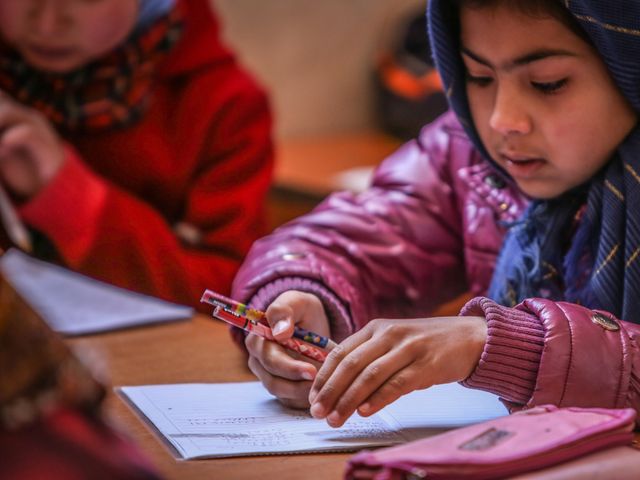
Even when we make home their safe place where they can talk about the challenges they face, we need to make a constant effort to keep it that way. One instance of anger or panic in a difficult moment can make children feel like not wanting to open up about their issues again. This can happen if your child says something like, “I don’t want people knowing I’m Muslim,” despite all your hard work at shaping their faith and values early on. As parents, we must understand that even a strong grounding in faith does not mean that children will remain confident at all times and be able to handle school peer pressure. Sometimes, parents may hear uncomfortable statements from their kids:
“I wish I had an easier name.”
“Why can everyone else do it?”
If this happens, don't start panicking or lecturing your child right away instead of helping them feel safe. If your child feels this way, it doesn't mean your efforts have gone to waste. It simply means your child is human. The right first response from you will restore their confidence and make them stronger. So listen patiently. Ask them to explain what happened. Allow them to pour their heart out and tell you what they feel. Understand where they're coming from and acknowledge their feelings. Let them know that even adults face emotional challenges. Avoid embarrassing them for feeling confused or ashamed about their faith. Think together about the ways they can better handle peer pressure in similar situations next time. Look back on a moment from one of your role-play games and connect the practice to real-life experiences. Let them know they are never alone.
Peer pressure for kids can be overwhelming if they do not have healthy relationships with other children their age. Knowing how to make the right friends and surrounding themselves with good company can boost their confidence and allow them to handle peer pressure with greater conviction. Therefore, helping children understand how to approach friendships is just as important as teaching them how to handle school peer pressure.
Help children understand that good friends respect each other's boundaries and make room for differences in values and faith. Give them a checklist to decide whether a friend is actually good for their emotional and spiritual well-being. It can be a set of simple questions they can answer for themselves:
Most importantly, help children prioritize Allah as their closest friend by encouraging them to regularly talk to Him in a casual manner. Remind them how He is always with them even if everyone else leaves, constantly provides for them even if they forget to thank Him, and is always available to listen to them despite all their shortcomings. An important thing to remember as Muslim parents is to help our children develop acceptance and tolerance toward other people's differences. They do not necessarily need to make friends who share the same faith. But they should look for and value those that respect their boundaries and beliefs.
Sometimes, the best way to help children learn how to handle school peer pressure is not to simply talk about it. Rather, it's to hand your child a story that they can read to explore the difficult questions on their own. It's to let them see a Muslim character their age, making the choice between fitting in and standing firm. This prepares children on a subconscious level before they even encounter school peer pressure in real life.
Choosing well-written stories help children see what confidence looks like in someone closer to their age. Post-reading discussions naturally lead to productive conversations around belonging, identity, friendship, embarrassment, self-acceptance—making home and family a safe space to discuss these topics.
Ruqaya's Bookshelf has some great stories to help you get started with these much-needed conversations, which often feel difficult to begin.
Don't forget that even the most carefully planned, holistic approach does not mean your child grows up to be perfect at handling peer pressure. There might be times when even the most confident Muslim kid feels embarrassed, wants to take the easy route by fitting in, or makes the wrong decision under pressure. But those very moments of weakness are crucial for growth. Because having a strong sense of identity doesn't mean nothing will ever bother a child. What our children really need to protect their confidence is a place they can return to, a person they can talk to, a mindset that treats mistakes as opportunities, and a never-ending hope of reconnecting with Allah over and over again. These things support children in finding the courage to keep going after every setback. And that's what lays the foundations of a truly strong identity.
Although it's our job as parents to help children learn how to handle school peer pressure, we cannot be beside our children during every school interaction. Equipping them with the tools to resist peer pressure means letting them make their own decisions as they explore life. A parent's duty in Islam doesn't stop when children start school or reach teen years. The relationship with Allah that we help them build in preschool years, the confidence we teach them early on, and the understanding of their values that we inspire from the start—these are things that don't just need constant effort from children to sustain, but also from parents who help guide children through every challenge.
So next time your child walks in after a bad day at school, be ready to handle school peer pressure together. Be confident, gentle, and guide them to seek inspiration from the stories of the Prophets and find comfort in Allah's words. Give them a home where difficult conversations and questions are welcome, never avoided. And always remember: raising confident Muslim children is not about perfectly resisting all outside influence like school peer pressure, but about empowering them to know who they can turn to when the world questions their choices and values.
A: Peer pressure in schools can look different for different age groups or individuals. It can also be direct, like someone forcing you to do something against your values, or indirect, like feeling left out when none of your peers’ activities align with your beliefs. Some examples of peer pressure at school include being bullied for wearing traditional or religious clothing like the hijab, being mocked for not participating in certain parties, or being pressured into joining activities, like smoking or gambling, that go against your values.
A: Parents can help children handle peer pressure by making the home a safe place where children can open up about their feelings. Begin talking about faith-based values and help children understand their differences early on, even before they start school. Practise peer pressure situations at home so children know how to resist peer pressure in school. Read stories about Muslim characters facing and overcoming similar struggles to gives children relatable, appropriate examples to learn from.
A: You can help Muslim children feel confident at school by grounding their tarbiyah in faith-based values in their early years. When children understand why they do things differently as Muslims and have a strong connection with Allah, they are more likely to remain confident when facing peer pressure in schools.
A: If friends pressure your child in school to do things that don't align with their values, your child can gently explain that their faith is their guide in life. Have these conversations at home beforehand so that children know exactly how to respond in real-life situations. Teach them how to maintain their boundaries without being disrespectful or rude. A simple explanation like “No thanks. I avoid some foods to devote myself to God” can also give other kids a chance to learn and respect other people's differences.
A: Yes, books are one of the best tools to help children deal with peer pressure. Reading age-appropriate stories about Muslim characters navigating similar challenges help children see what confidence looks like in someone closer to their age. Post-reading discussions naturally lead to productive conversations around belonging, identity, friendship, embarrassment, self-acceptance—making home and family a safe space to discuss these topics. Ruqaya's Bookshelf has some great stories for building confidence in Muslim identity, which you can also get at a discounted price if you buy the Be Yourself Bundle.

.svg)
.webp)

$
12.99
12.99
12.99
£
10.49
12.99
12.99
12.99
12.99
12.99
Best Seller
July 27, 2026
Best Seller
Family
Values

$
13.99
13.99
13.99
£
11.49
13.99
13.99
13.99
13.99
13.99
Best Seller
July 27, 2026
Adventure
Values

$
13.99
13.99
13.99
£
11.49
13.99
13.99
13.99
13.99
13.99
Best Seller
September 30, 2026
Adventure
Values


.webp)
.webp)
.webp)
Be the first to know about our latest books, coupons, and giveaways!


.svg)


.webp)

Sign up today and get 10% off your first order!
Use this discount code at checkout: TENOFF

.jpg)